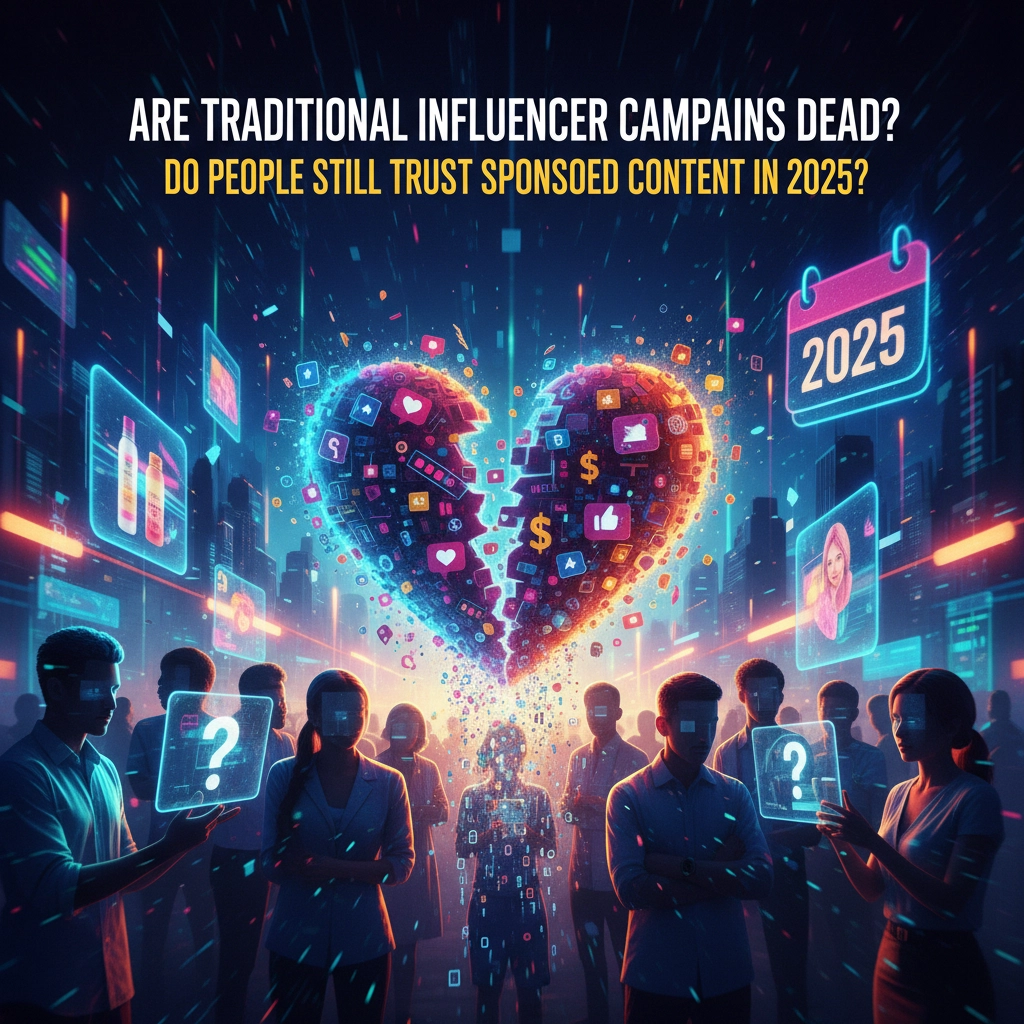
Remember when Kim Kardashian got slammed for that awkward morning sickness pill post? Yeah, that was the beginning of the end for fake-looking sponsored content. But here's the twist: influencer marketing isn't dying. It's actually exploding.
The industry just hit $32.5 billion in 2025, and 80% of brands either kept or increased their influencer budgets this year. So what's really happening? Traditional influencer campaigns aren't dead: they're just getting a major makeover.
What the Numbers Actually Say About Influencer Trust
Let's cut through the noise with some real data. The influencer marketing industry grew by 35.63% between 2024 and 2025. That's not the growth pattern of a dying industry.
But here's where it gets interesting: people don't trust influencers the same way they used to. They've gotten way smarter about spotting fake recommendations and overly polished ads.
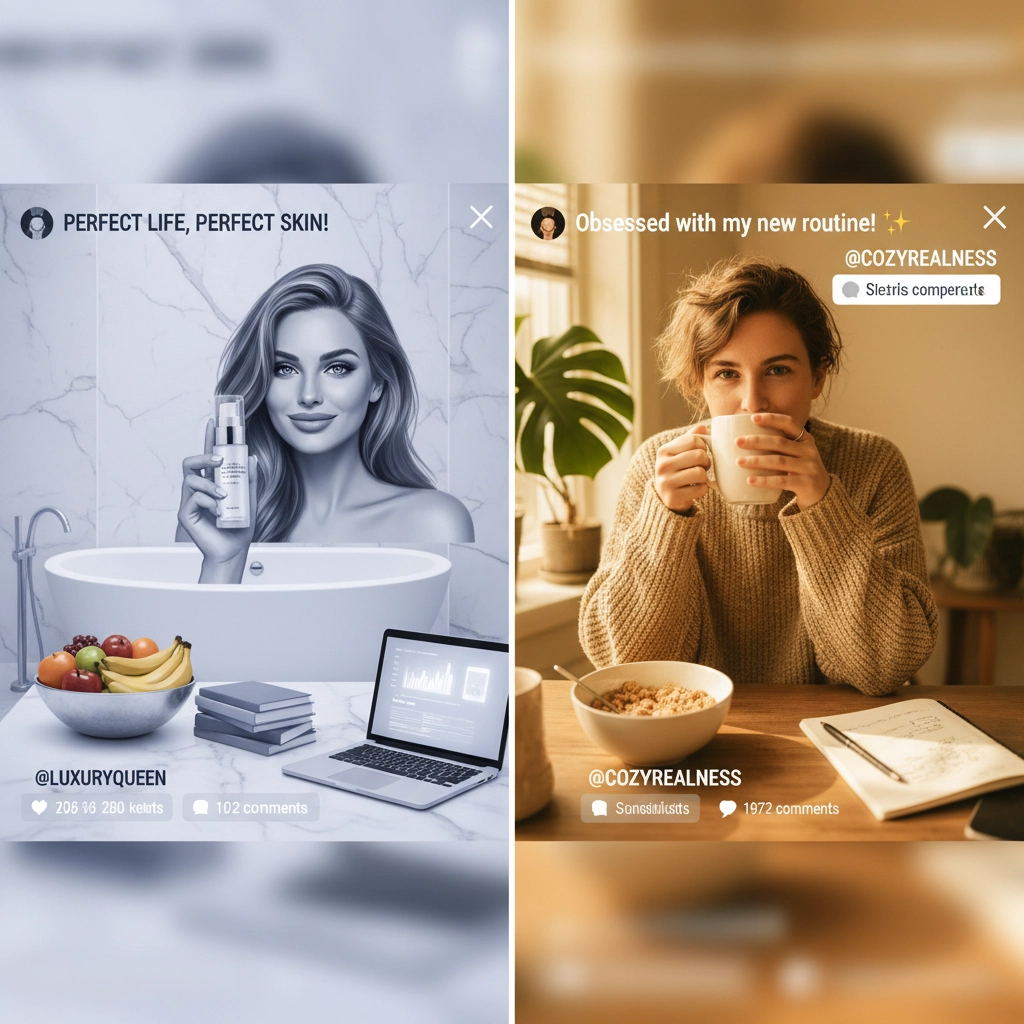
What actually works now? Authenticity beats everything. When an influencer shares a genuine experience with a product: complete with the messy reality: audiences eat it up. Compare that to traditional ads, which feel scripted and disconnected from real life.
The key difference is relationship building. Influencers who've built long-term trust with their followers can still drive serious results with sponsored content. It's the one-off, obviously paid posts that fall flat.
Why Micro and Nano Influencers Are Taking Over
Here's something that'll surprise you: 75.9% of Instagram influencers are now nano or micro creators. These aren't the million-follower accounts you're thinking of. We're talking about people with 1,000 to 100,000 followers.
Why the shift? These smaller creators deliver something the mega-influencers lost: genuine connection.

Think about it from your perspective. Who would you trust more: a celebrity getting paid millions to promote a skincare routine they probably don't use, or someone with 10K followers who posts real before-and-after pics of their actual skin journey?
The engagement rates tell the whole story:
- Nano influencers (1K-10K followers): 7.2% average engagement
- Micro influencers (10K-100K followers): 4.6% average engagement
- Macro influencers (100K-1M followers): 2.4% average engagement
- Mega influencers (1M+ followers): 1.7% average engagement
Brands are catching on. Instead of paying one mega-influencer $50K for a single post, they're working with 50 micro-influencers for the same budget and getting better results.
The New Rules of Authentic Sponsored Content
The game has completely changed. Audiences are "ad-weary and skeptical of overt sponsorship": but that doesn't mean they won't buy. They just want honesty.
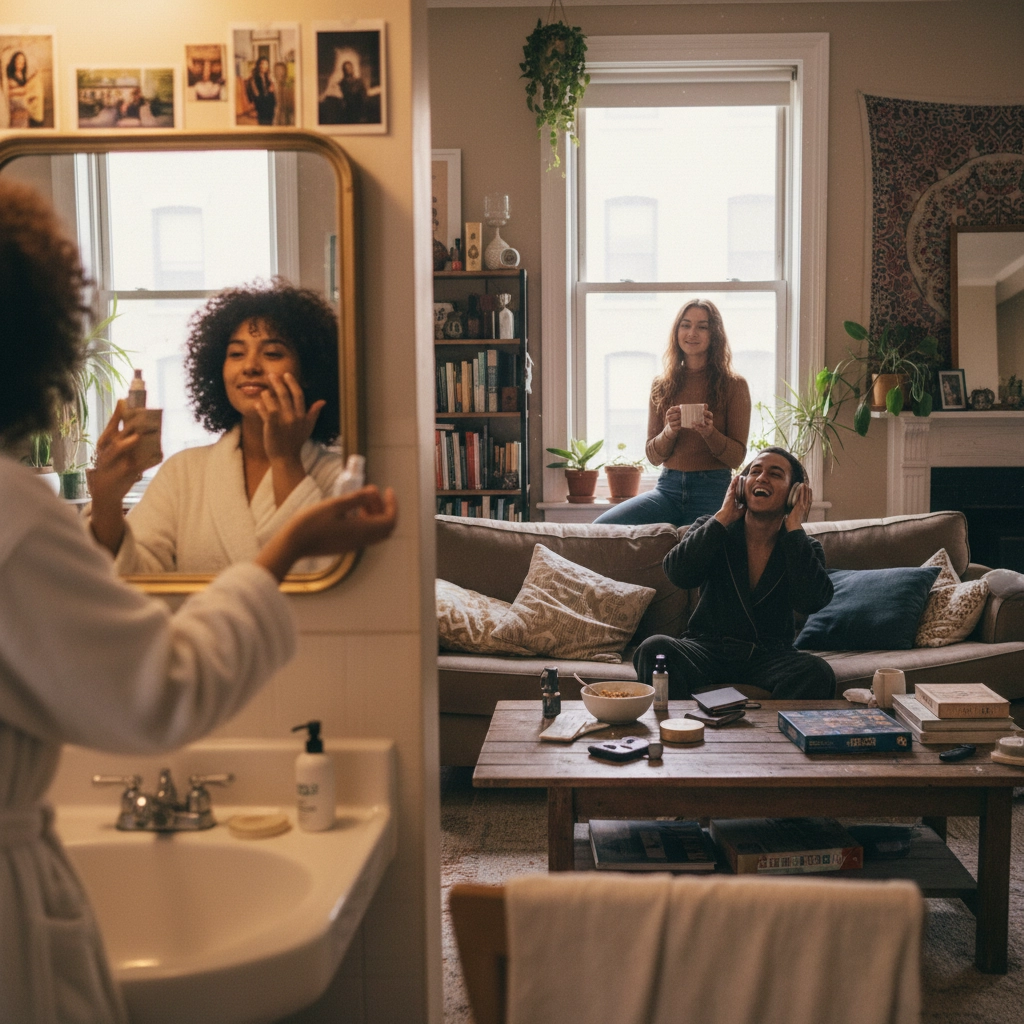
Here's what actually works in 2025:
Transparency is non-negotiable. The #ad hashtag isn't enough anymore. Successful influencers explain exactly why they partnered with a brand and what their honest experience has been.
Long-term partnerships beat one-offs. 47% of brands now focus on sustained collaborations instead of quick campaigns. When you see the same influencer genuinely using and talking about a product over months, it feels real.
Unpolished content outperforms perfect posts. That shaky phone video of someone actually using a product? It converts better than the professionally shot content that looks like a commercial.
Let me tell you about Sarah, a fitness micro-influencer with 25K followers. She partnered with a supplement company, but instead of the typical "this changed my life" post, she documented her actual 30-day experience. She posted weekly updates: including days when she forgot to take it and how that affected her energy. Her honest approach led to the brand's highest conversion rate ever, and they've been working together for over a year now.
What This Means for Brands and Creators
The influencer marketing landscape in 2025 isn't about choosing between traditional and authentic approaches: it's about understanding what your audience actually wants.
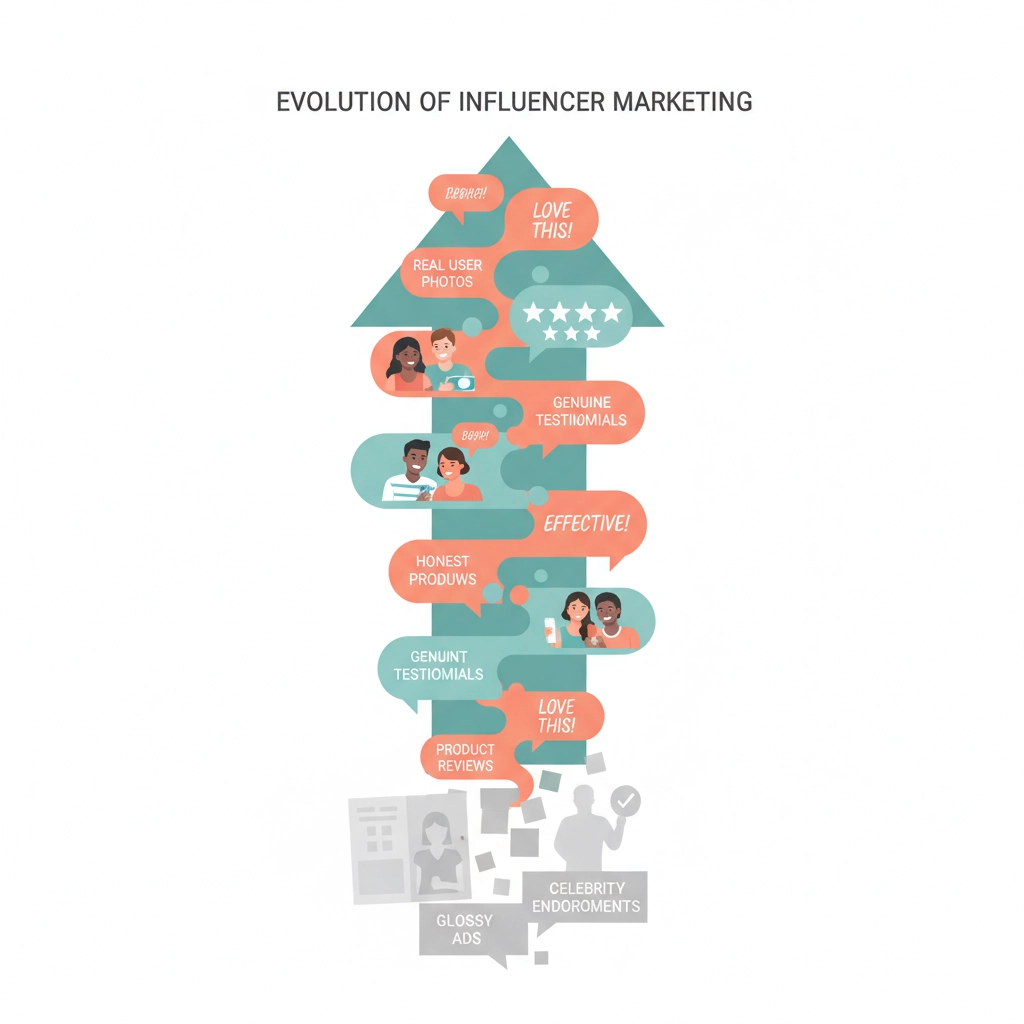
For brands, this means shifting budgets from big-name celebrities to building relationships with smaller, more engaged creators. It means allowing influencers to be honest about both the pros and cons of products. And it means measuring success by actual sales and long-term brand loyalty, not just likes and shares.
For creators, authenticity isn't just a buzzword: it's your competitive advantage. The influencers thriving right now are the ones who've built genuine trust with their audiences and aren't afraid to turn down partnerships that don't align with their values.
User-generated content (UGC) is also becoming huge. Brands are launching campaigns where dozens of real customers create content alongside their influencer partners. This hybrid approach gives brands scale while maintaining that authentic feel audiences crave.
The sponsored content that works in 2025 feels less like advertising and more like recommendations from friends. It's conversational, honest, and valuable: not pushy or overly promotional.
Here's what's really wild: some of the most successful "influencer campaigns" don't look like traditional ads at all. They're educational content, behind-the-scenes looks, or genuine problem-solving posts that happen to feature a product naturally.
So are traditional influencer campaigns dead? Not exactly. But the ones that survive and thrive are the ones that prioritize genuine connection over glossy perfection. In a world where everyone's constantly being sold to, authenticity has become the ultimate currency.
What do you think: have you noticed yourself responding differently to sponsored content lately, and what makes you actually trust an influencer's recommendation?