
Remember when getting 1,000 likes meant you'd "made it" on social media? Those days are officially over. Instagram just pulled the rug out from under everyone who's been chasing likes, and the new king of engagement metrics is something most creators have been completely ignoring: DM shares.
Here's what happened: Instagram quietly confirmed that their algorithm now prioritizes three key signals: watch time, likes, and sends (that's when someone shares your post via DM or Stories). But here's the kicker: sends are now one of the biggest indicators that your content deserves to reach new audiences. Not likes. Sends.
This isn't just another algorithm update. It's a fundamental shift in how social media actually works, and most people are still playing by the old rules.
Why Instagram Changed Everything
Let's be real about what likes actually represent. Someone scrolls through their feed, sees your post, gives it a quick double-tap, and moves on. It takes zero effort, zero thought, and zero real engagement. It's like giving someone a polite nod as you pass them on the street.
But when someone takes your content and sends it to their best friend with a message like "OMG you NEED to see this," that's completely different. They're putting their personal reputation behind your content. They're saying "this is so good, I'm willing to annoy my friend with another notification because I know they'll thank me later."

Instagram's algorithm team figured out what marketers have known for decades: word-of-mouth recommendations drive real business results. When your content gets shared in DMs, it's not just reaching one more person: it's reaching someone who's been personally recommended to check it out by someone they trust.
The numbers back this up too. Content that gets shared via DM has a way higher chance of being saved, followed up on, or turning into actual customer action. Instagram wants to surface content that creates genuine value, not just mindless scrolling.
Think about your own behavior. When was the last time you went back to find a post you liked? Probably never. But when was the last time you acted on something a friend sent you directly? Exactly.
The Science Behind DM Shares
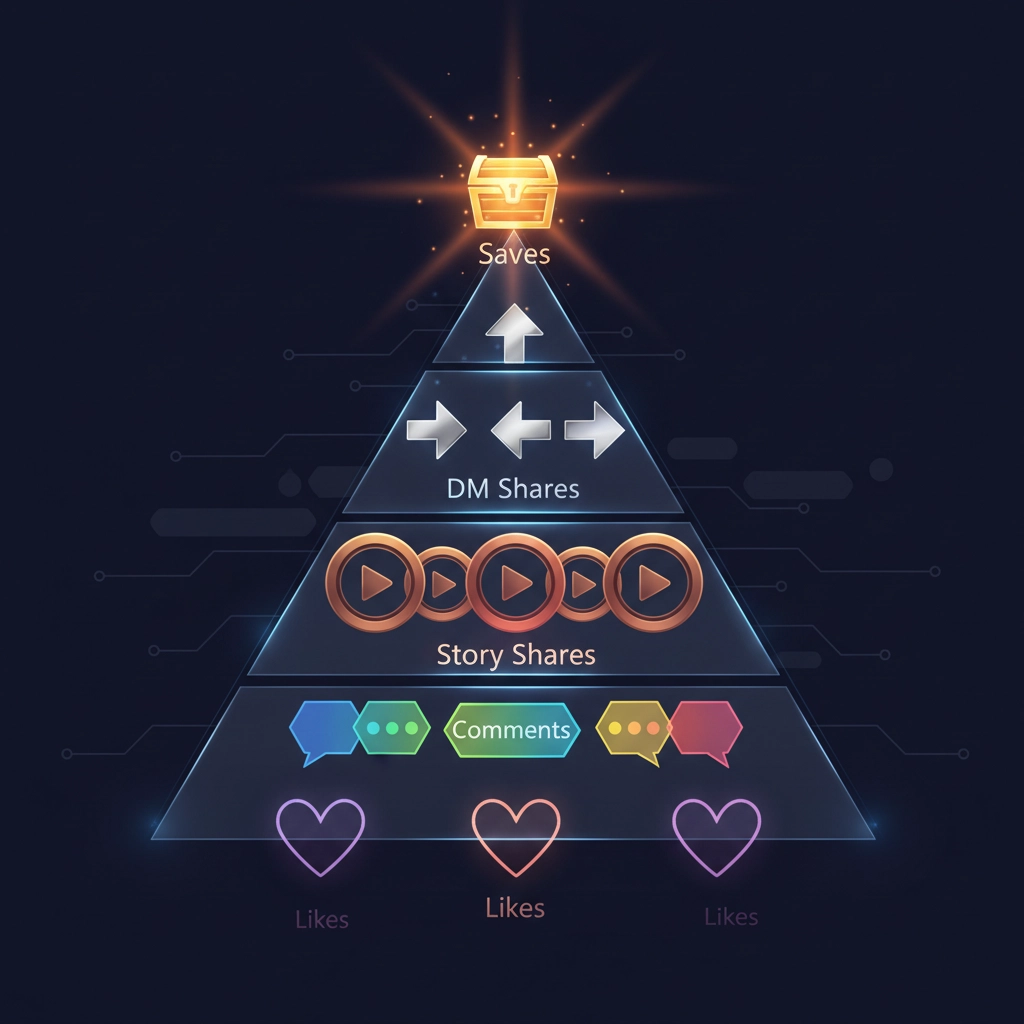
Here's where it gets interesting. The new engagement hierarchy looks completely different from what we've been taught:
• Saves – The holy grail. Someone found your content so valuable they want to reference it later
• DM Shares/Sends – Pure gold for growth. Creates word-of-mouth momentum and reaches new audiences
• Story Shares – Shows your content is worth amplifying to their entire follower base
• Comments – Still valuable for building community, but not the algorithm booster it used to be
• Likes – Nice to have, but basically just a participation trophy now
The reason DM shares carry so much algorithmic weight comes down to user psychology. Sharing requires intentional action. You have to:
- Think about who would find this valuable
- Navigate to your DMs
- Find the right person or group
- Often add a personal message
- Hit send
That's at least 5-10 seconds of deliberate engagement, compared to the 0.2 seconds it takes to double-tap a like.
One content creator I know, Sarah, tested this theory for three months. She had two types of posts: one optimized for likes (pretty lifestyle shots) and another optimized for shares (relatable work-from-home memes). The meme posts got half the likes but triple the DM shares. Guess which ones the algorithm started pushing to new audiences?
The lifestyle posts plateaued at reaching about 15% of her followers. The shareable memes? They started reaching people who didn't even follow her, leading to 40% more followers in just one quarter.
Your New Content Strategy Playbook
So how do you actually create content that people want to share in their DMs? It's not about being more clever or having better graphics. It's about understanding what makes someone say "I have to send this to Jessica right now."
The most shareable content falls into these categories:
Relatable struggles everyone faces but nobody talks about openly. Think "When you're in a Zoom meeting but your brain is planning what to have for lunch" or "That moment when you realize you've been pronouncing a word wrong your entire life."
Practical tips that solve real problems. Not generic advice like "just be yourself," but specific, actionable solutions like "If your houseplant is dying, put ice cubes in the soil once a week instead of overwatering."
Behind-the-scenes moments that humanize you. People share content that makes them look smart, funny, or in-the-know. When you show the real, unfiltered side of your business or life, it gives them social currency.

Industry insights with a fresh angle. Everyone knows "content marketing is important." But "Here's why your best-performing posts probably violate everything you learned about content marketing" is something people want to share with their marketing friends.
The key is creating content that makes the person sharing it look good. They're not just forwarding your content: they're curating value for someone they care about.
Stop asking "Will people like this?" Start asking "Will someone's day be better because their friend sent them this?"
Real Results: What Creators Are Seeing
The creators and brands who figured this out early are seeing insane results. I'm talking about reaching 5x more new accounts, getting approached by brands for partnerships they never applied for, and building communities of people who actually buy their products instead of just consuming their content.
Here's what's wild: some of the most successful accounts now barely check their like counts. They track saves, shares, and new follower quality instead. They're building what one marketer called "share-worthy equity": the trust that when they post something, it's worth interrupting someone's day for.
One small business owner told me she stopped creating "likeable" content entirely. Instead of pretty product shots, she started sharing customer stories, behind-the-scenes problems, and industry rants that got her audience fired up. Her likes dropped 30%, but her sales increased 200% because her content was reaching qualified buyers, not just casual scrollers.

The shift is already happening whether you're paying attention or not. Brands are starting to ask influencers for share metrics instead of just follower counts. Marketing budgets are moving toward creators who drive actual conversations, not just passive consumption.
This isn't a fad or a hack: it's the natural evolution of social media growing up. Platforms are getting smarter about what actually creates value for users and businesses. The creators who adapt early will have a massive advantage over those still chasing vanity metrics.
The old game was about getting as many likes as possible. The new game is about creating content so valuable that people can't help but share it with someone they know needs to see it.
So here's my question for you: When you look at your last 10 posts, how many of them would you personally send to a friend? Because if that number is low, you might be playing by yesterday's rules in tomorrow's game.