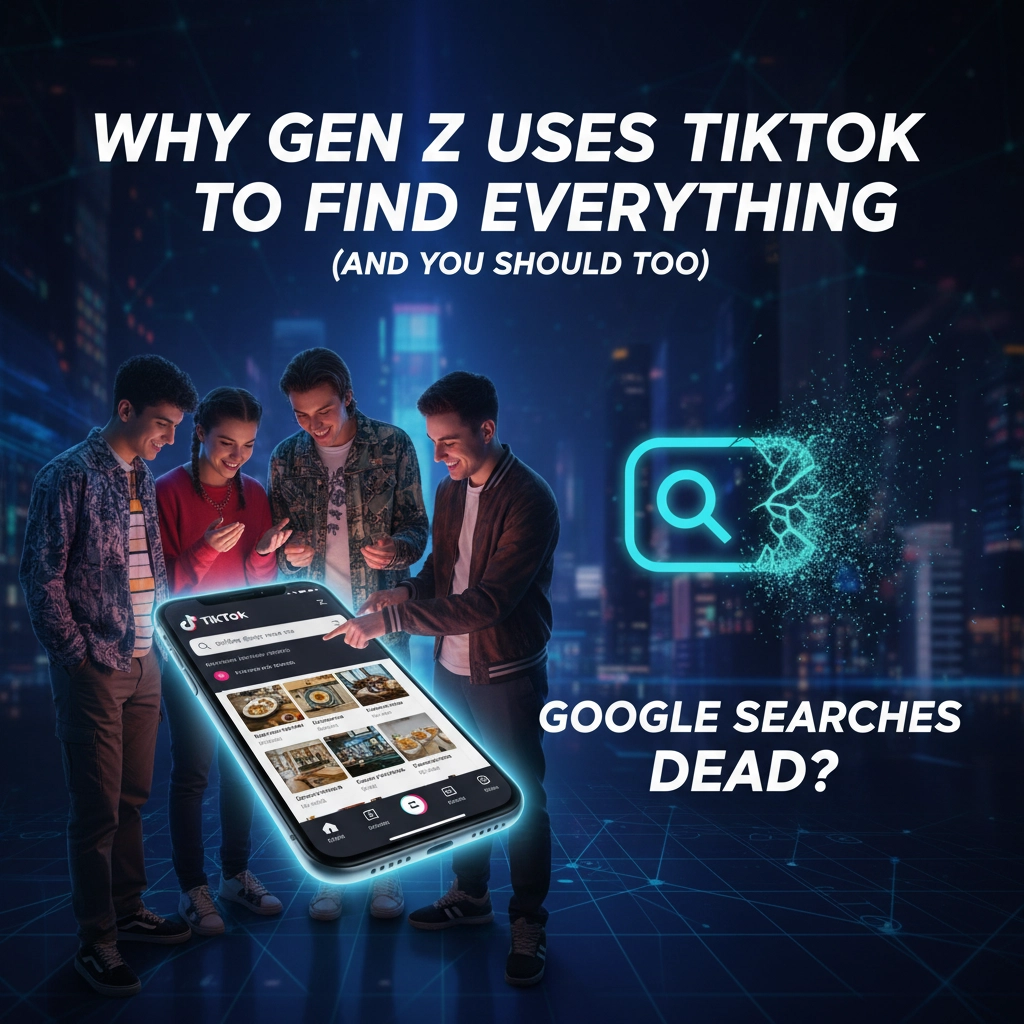
You've probably seen the headlines screaming that Gen Z has ditched Google for TikTok. "Google is dead!" they declare. "TikTok is the new search engine!" But here's the thing, that's not exactly what's happening.
Sure, your 19-year-old cousin might TikTok how to make pasta instead of Googling a recipe. But does that mean Google's finished? Not even close.
The Reality Behind the Headlines
Let's get real about the numbers. Google isn't just surviving, it's thriving. The search giant still commands a whopping 90.04% of the global search market. Even more surprising? 90% of Gen Z still use Google weekly, compared to 86% who use TikTok weekly.
Here's what's actually happening: the average person now makes 109.9 Google searches per month, that's up 10.4% from last year. Google processes about 9.5 million searches every single minute. That's over 5 trillion searches annually.
But here's where it gets interesting. While 99% of people using AI tools still use traditional search engines, only about half of Gen Z users say they prefer TikTok over Google for certain types of searches. Notice that word? Certain.
The story isn't that Google's dying. It's that search behavior is evolving, and smart people are using multiple platforms for different needs.
Why TikTok Hits Different for Gen Z
I was helping my friend's daughter with a school project last month. She needed to learn about photosynthesis. Instead of typing "how does photosynthesis work" into Google, she opened TikTok and searched for #photosynthesis. Within minutes, she'd watched three 60-second videos that explained the entire process with animations, real plants, and catchy music.
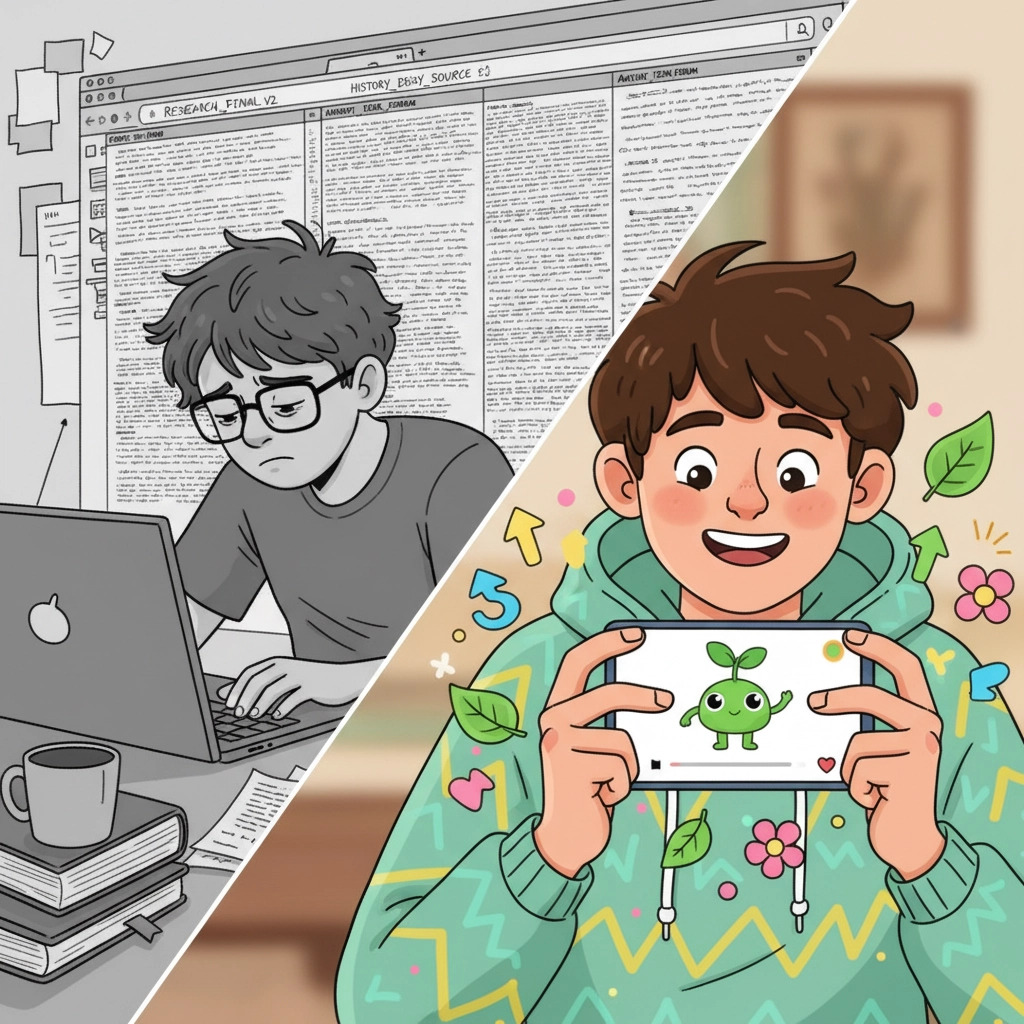
"Why didn't you just Google it?" I asked. She looked at me like I'd suggested using a rotary phone. "Google gives me articles to read. TikTok shows me exactly what I need to know."
That response perfectly captures why 74% of Gen Z now use TikTok's search function. They're not looking for the same things we used to Google. They want:
- Visual, instant answers: Why read a 1,500-word blog post when a 60-second video shows you exactly how to tie a tie?
- Real people, real experiences: TikTok creators feel more trustworthy than SEO-optimized content farms
- Discovery and inspiration: Nearly 40% prefer TikTok over Google when looking for restaurant recommendations or fashion ideas
- Product reviews that feel authentic: 77% use TikTok for product discovery because seeing someone actually use something beats reading star ratings
The key insight? 63% of Gen Z use TikTok for news and trending topics, but they're still hitting Google for homework help, directions, and specific factual information.
The Smart Strategy: Using Both Platforms
Here's what most articles get wrong, this isn't an either/or situation. Gen Z isn't abandoning Google; they're just being smarter about their search strategy than the rest of us.
Think about your own search behavior. When you want to:
- Find a specific address → Google Maps
- Learn a new skill quickly → YouTube or TikTok
- Research a complex topic → Google
- See what people really think about a restaurant → TikTok or Instagram
- Check facts or get official information → Google
The pattern is clear. Different platforms serve different purposes:
Google excels at:
- Factual information and research
- Complex queries requiring multiple sources
- Official information and documentation
- Local business information and contact details
- Academic and professional content
TikTok dominates for:
- Visual learning and tutorials
- Real-world product experiences
- Trend discovery and inspiration
- Local recommendations from real people
- Quick entertainment and lifestyle content
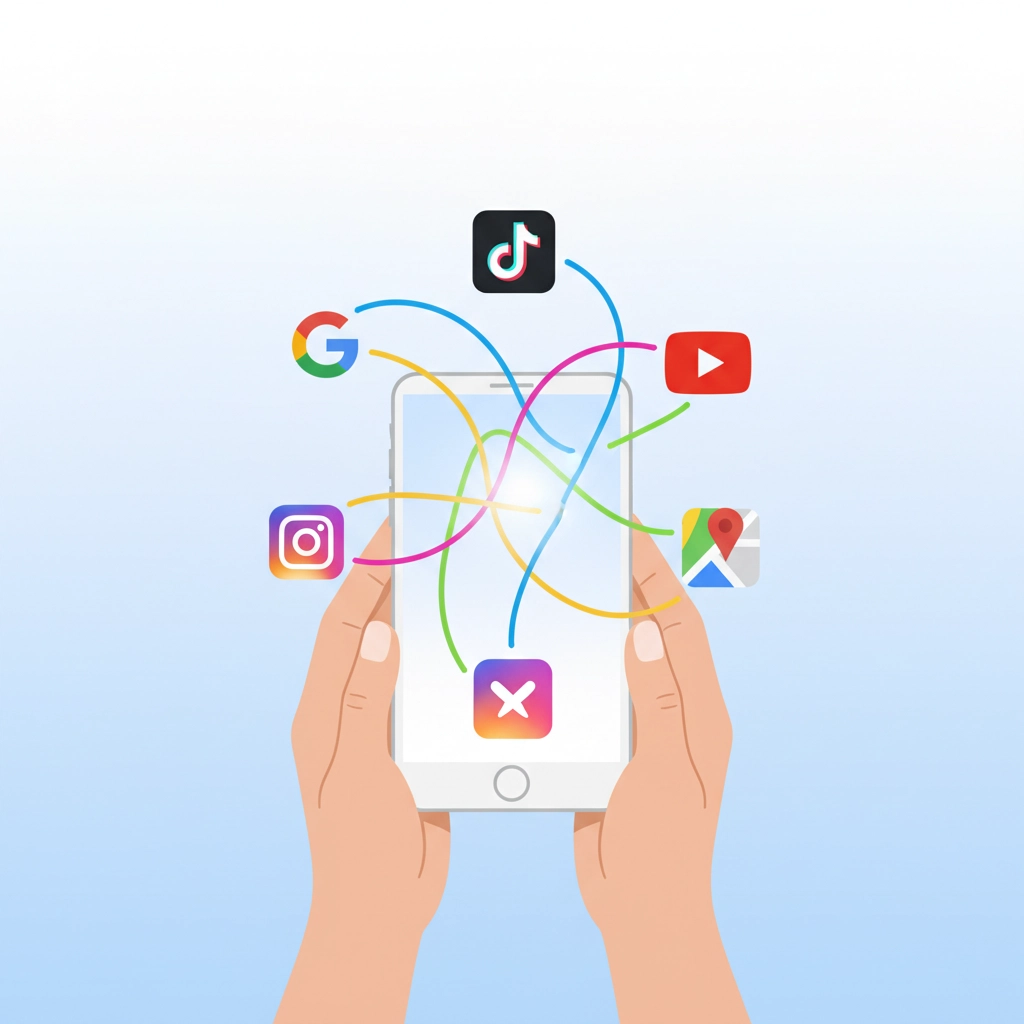
The smartest searchers, regardless of age, are using multiple platforms strategically instead of limiting themselves to one.
What This Means for Your Content Strategy
If you're creating content, this shift changes everything. You can't just focus on ranking #1 on Google anymore. You need to think about where your audience actually searches for your type of content.
Let's say you run a local restaurant. Your Google My Business profile still matters for "pizza near me" searches. But Gen Z diners might discover you through TikTok food reviews, Instagram stories, or YouTube vlogs before they ever see your Google listing.
The winners are creating content that works across platforms:
- Detailed blog posts that rank on Google for research-based queries
- Short-form videos on TikTok that showcase your product or service in action
- Instagram content that captures the visual appeal and lifestyle aspect
- YouTube tutorials that provide in-depth value
Smart businesses aren't picking sides, they're meeting their customers wherever they choose to search.
The data backs this up: 53% of Gen Z users check TikTok, YouTube, or other social platforms before thinking about Google. But remember, that "before" is key. They're not replacing Google; they're expanding their search toolkit.

This multi-platform approach isn't just a Gen Z thing, either. As visual and video content becomes more accessible and faster to consume, older generations are adopting similar search patterns. Your mom might still Google "best vacuum cleaner," but she's probably checking YouTube reviews before buying.
The future of search isn't about one platform winning. It's about creating a search ecosystem where different platforms serve different needs, and users seamlessly move between them based on what they're looking for.
So no, Google searches aren't dead. But if you're still creating content like it's 2015: just blog posts optimized for one search engine: you're missing out on a huge chunk of your potential audience.
What's your current search strategy? Are you ready to expand beyond Google, or are you still putting all your eggs in one search basket?