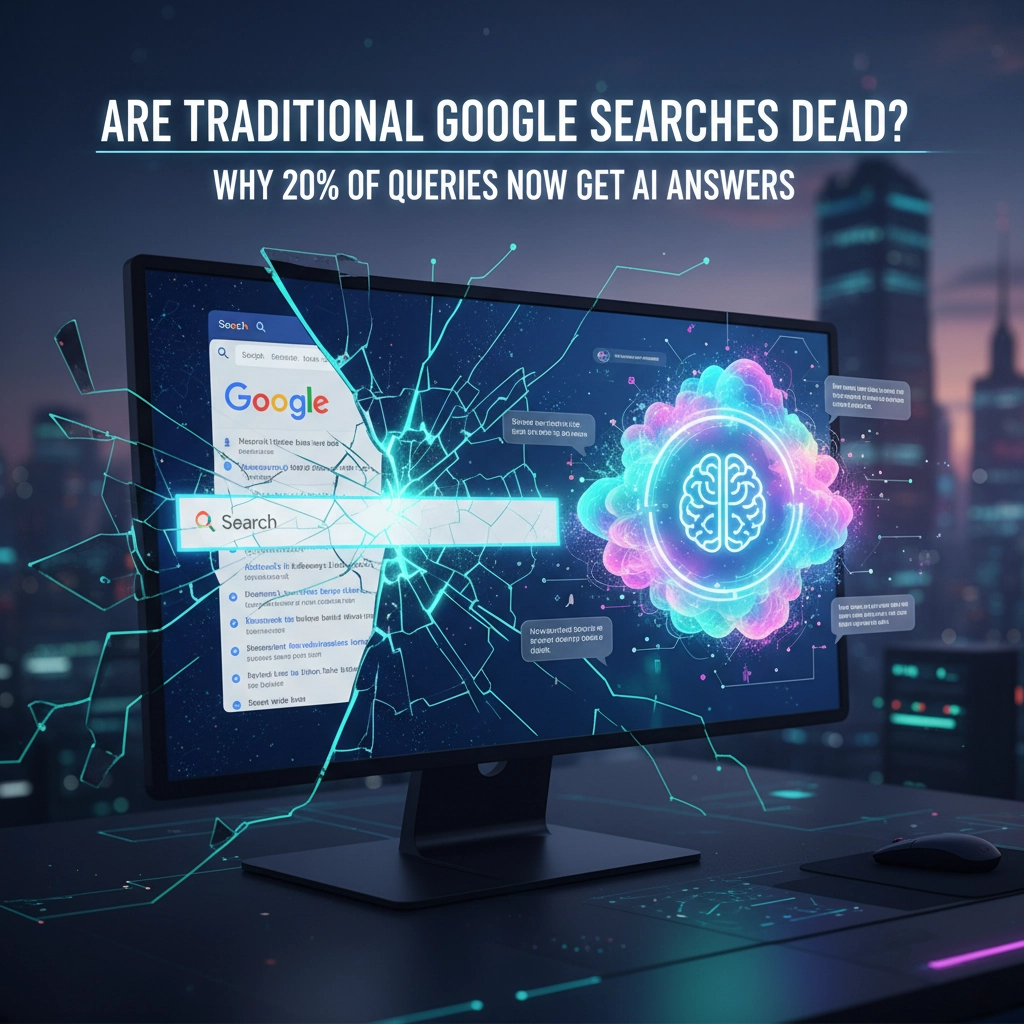
Remember when you'd Google something and actually click on those blue links? Yeah, those days might be numbered. If you've noticed Google answering your questions directly without you having to visit any websites lately, you're not imagining things. A massive shift is happening right under our noses.
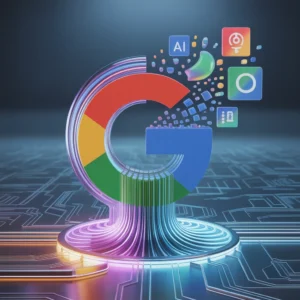
Here's the kicker: 20% of all Google searches now get AI-powered answers. But before you start planning a funeral for traditional search, let's dig into what's really going on.
Google Isn't Dead – It's Just Getting Smarter
Despite all the doom and gloom headlines, Google Search isn't dying. In fact, it's thriving. The platform grew by over 20% in 2024, and total search volume jumped 4.7% year-over-year in 2025. Google still owns a whopping 91.55% of the global search market.
But here's where it gets interesting – the way we interact with search results has completely flipped. That 20% statistic? It's actually way higher for certain types of searches. When you ask Google a question like "What is cryptocurrency?" there's a 60% chance you'll get an AI Overview right at the top. For natural language questions, it's about 36%.
As of late 2024, AI Overviews appeared in roughly 42.5% of searches – that's up 9% from just one quarter earlier. If this trend continues, we could see 70-80% of informational queries getting direct AI answers within the next 12-18 months.
The Click-Through Catastrophe
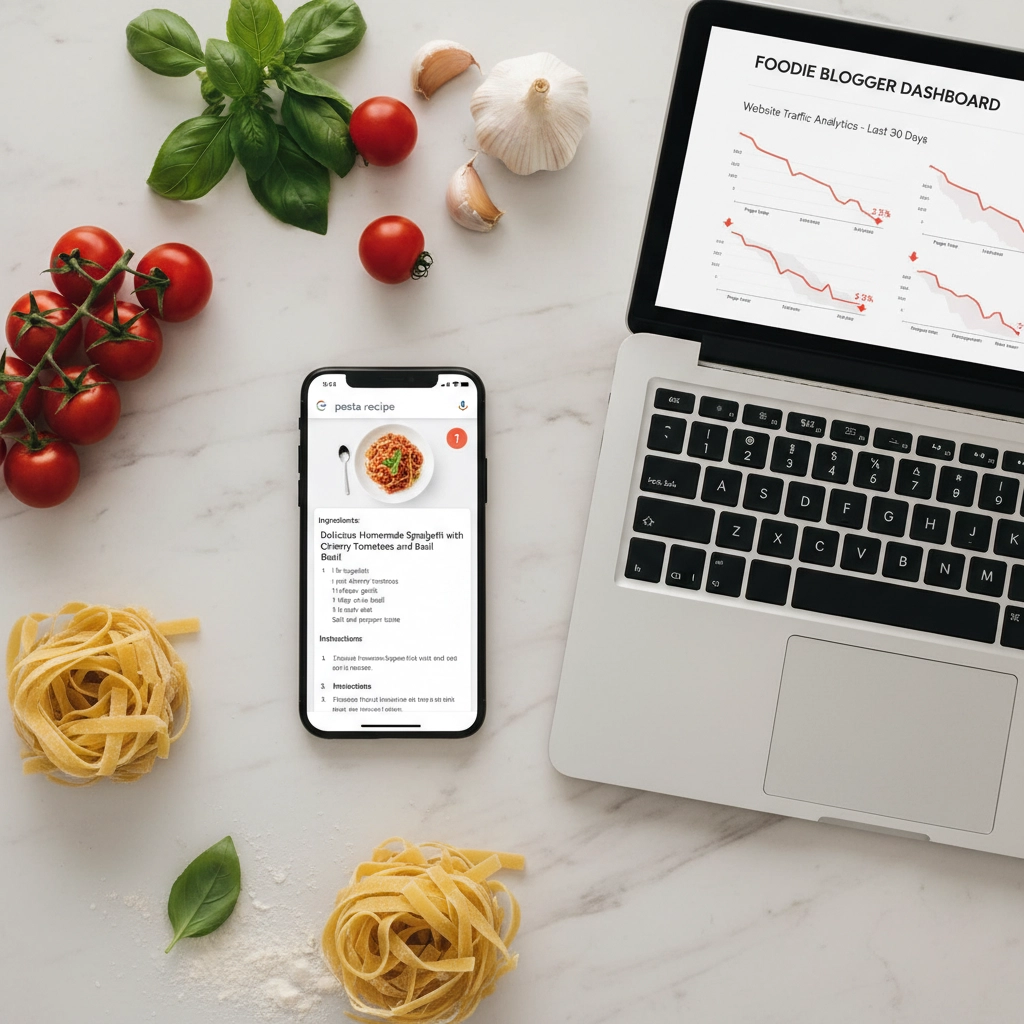
Here's where things get really wild. While more people are searching than ever, fewer are actually clicking through to websites. Organic click-through rates for searches with AI Overviews have absolutely tanked – we're talking a 61% drop from 1.76% to just 0.61%.
Even searches without AI features aren't safe. Overall click-through rates fell 41% between June 2024 and September 2025. That's brutal for content creators and website owners who've built their entire strategy around Google traffic.
The numbers paint a clear picture:
• Over 58% of Google searches now result in zero clicks
• AI Overviews cause a 61% drop in organic traffic when they appear
• Even paid search results have declined by about 12%
• Question-based queries see AI answers 60% of the time
• Natural language searches get AI responses 36% of the time
The Real Story Behind Zero-Click Searches
I was talking to a friend last week who runs a cooking blog. She told me something that perfectly captures this shift: "I used to get tons of traffic from people Googling 'how to make pasta sauce.' Now Google just tells them the recipe right there on the search page. Why would they click through to my site?"
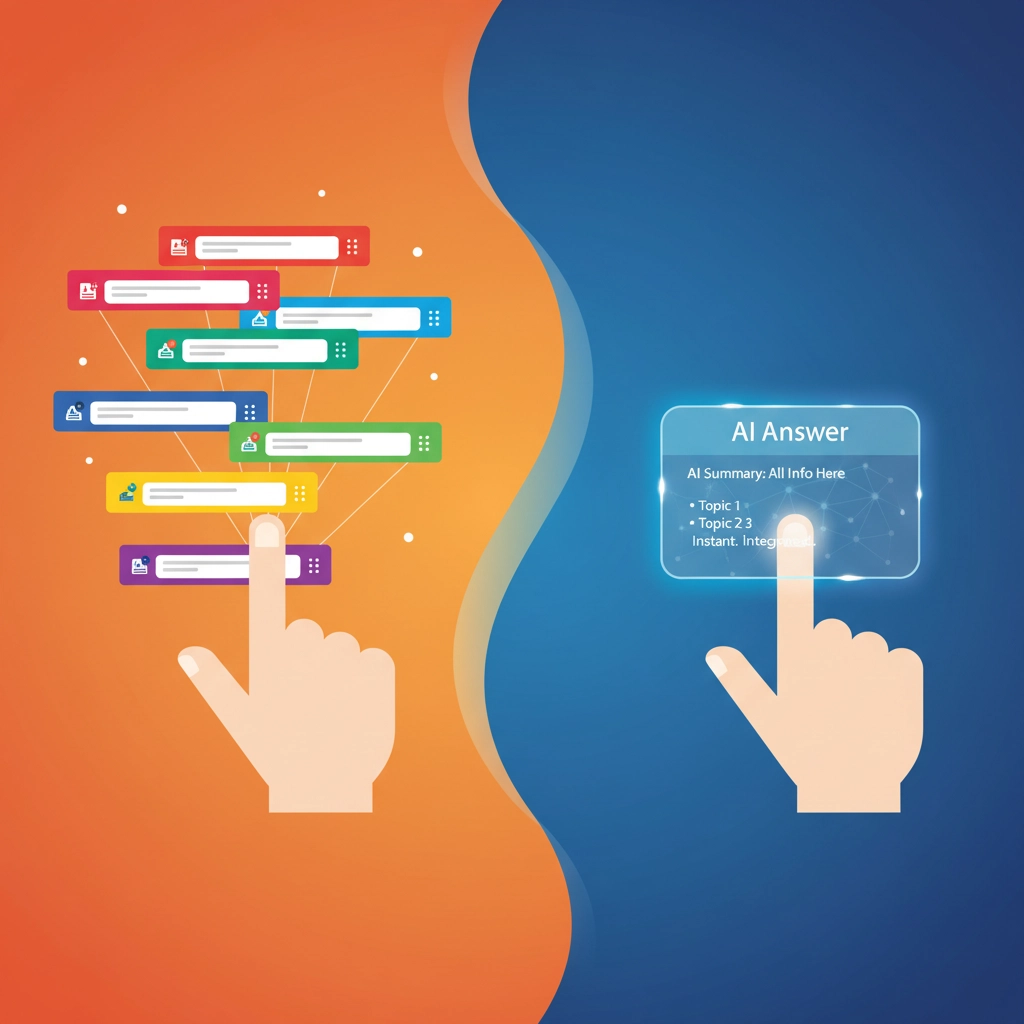
This isn't just about AI Overviews. Google's been moving toward zero-click searches for years through featured snippets, People Also Ask boxes, and instant answers. The AI revolution just accelerated what was already happening.
The transformation goes beyond Google too. People are turning to TikTok for quick how-to videos, ChatGPT for detailed explanations, and social media for news updates. The idea of "searching Google then clicking a link" feels almost old-fashioned now.
What This Actually Means for the Future
Google Search isn't dying – it's evolving from a "gateway to other websites" into an "answer machine." Think about it: why would Google want you to leave their platform when they can give you what you need right there?
This shift is hitting some industries harder than others. Health websites, educational content, news sites, and B2B tech companies are seeing their organic traffic models get completely disrupted. If Google can answer "What are the symptoms of a cold?" directly, why visit WebMD?
But it's not all bad news. Google still needs high-quality content to train its AI and provide accurate answers. The difference is that instead of driving traffic, your content might become the source that powers Google's AI responses.
The search landscape is becoming more fragmented too. Different platforms serve different needs:
- Google for complex research and local searches
- ChatGPT for detailed explanations and creative tasks
- TikTok for visual how-tos and entertainment
- Social media for real-time news and opinions
Traditional search isn't dead, but the traditional click-through model definitely is. We're moving toward a world where getting the right answer matters more than where that answer comes from.
So here's the million-dollar question: if you could get perfect answers to your questions without ever leaving the search page, would you miss clicking through to websites? Or are we trading depth and discovery for convenience and speed?