Did you know that 73% of TikTok creators who go viral in 2025 are doing something completely different than what worked just 12 months ago? The platform's algorithm has undergone massive changes, and most creators are still playing by 2024's rules.
If you've been wondering why your TikToks aren't hitting like they used to, you're not alone. The algorithm has evolved into something much more sophisticated, and honestly, much more rewarding for creators who understand how to work with it.
How TikTok's Algorithm Really Works in 2025
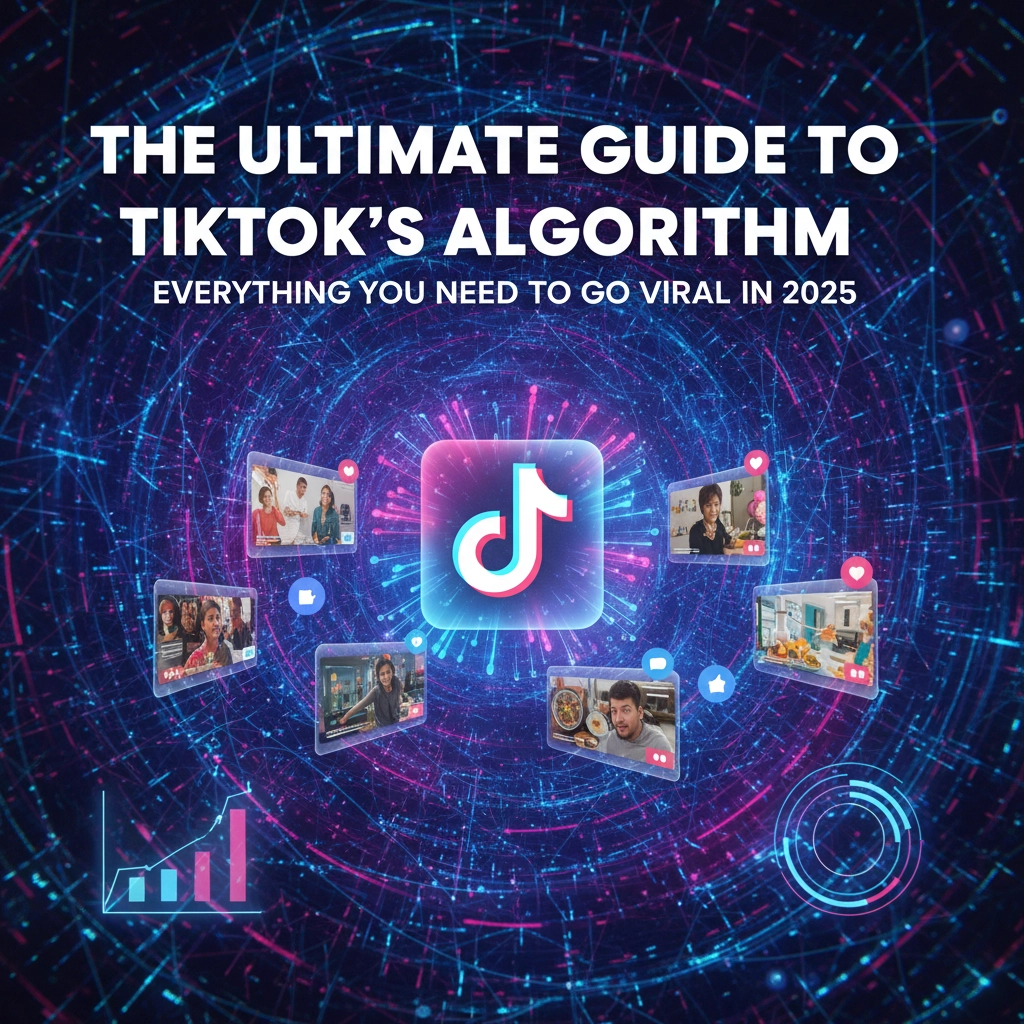
Let's cut through the myths and get to what actually matters. TikTok's algorithm isn't some mysterious black box, it's a recommendation engine that evaluates three main things about every video you post.
First up: user interactions. This is the big one. The algorithm tracks everything, what people watch, like, share, comment on, and (crucially) what they skip. But here's what most creators miss: watch time is now the king of all metrics. It's not just about whether someone finishes your video anymore. The algorithm measures how long people actually watch, whether they rewatch sections, and if they immediately scroll away.

Second: video information. We're talking hashtags, captions, sounds, effects, and whether your content is original. TikTok's AI has gotten scary good at reading your captions to understand context. Plus, it can spot recycled content from a mile away. Those generic "POV" videos that everyone's making? Yeah, they don't work anymore.
Third: device and account settings. This includes your location, language, device type, and the categories you've selected. It's the least important factor, but it still helps TikTok figure out who to show your content to.
The Big Changes You Need to Know About
Here's where things get interesting. TikTok made some major updates throughout 2024 and into 2025 that completely changed the game:
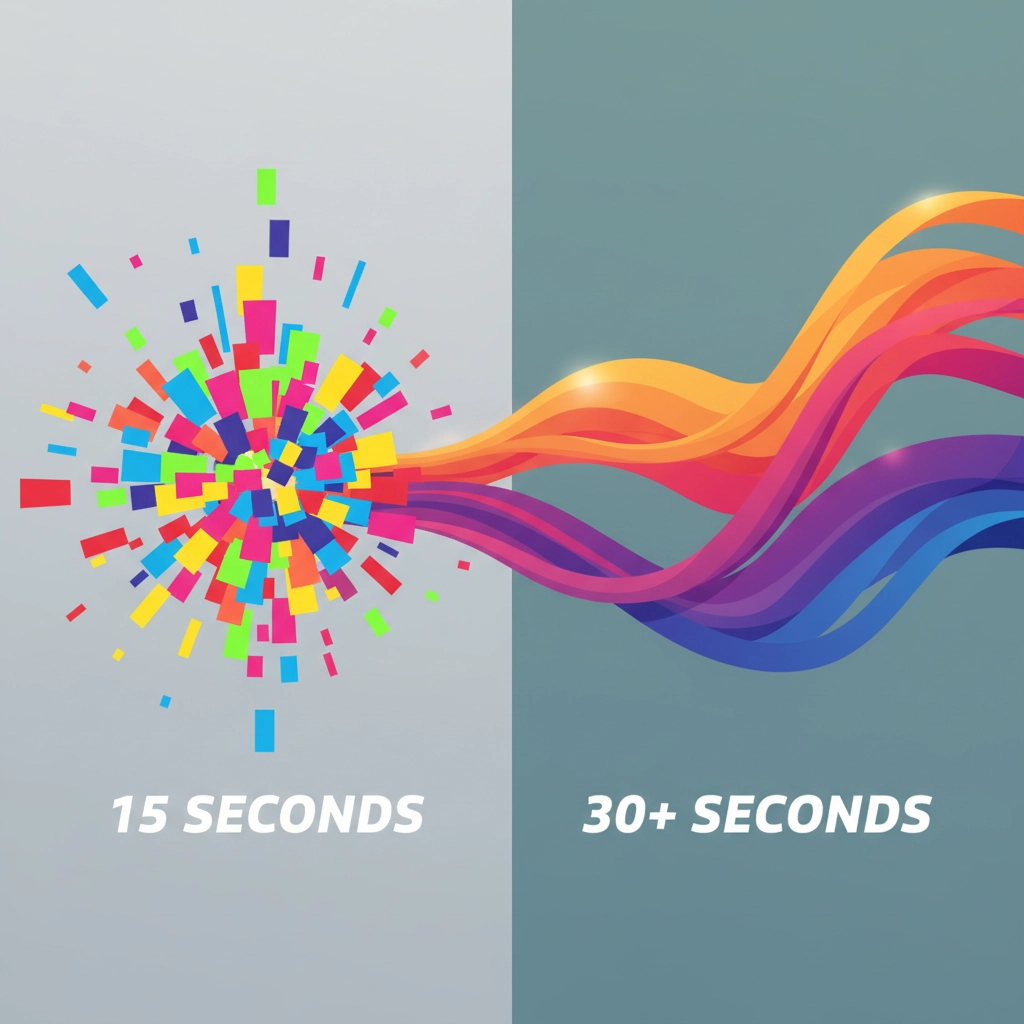
Longer videos are winning big time. I know, I know: TikTok used to be all about those quick 15-second hits. But now? Videos over 30 seconds are getting serious algorithmic love. The platform wants to keep people scrolling for longer, so they're rewarding creators who can hold attention.
Original content is everything. TikTok's AI can now scan every video for quality, tone, and originality. If your content feels repetitive or like you're just copying what everyone else is doing, you're toast. The algorithm has basically declared war on lazy content.
The first three seconds matter more than ever. This hasn't changed, but it's gotten more intense. If people swipe away in those crucial first seconds, your video is dead in the water, no matter how good the rest of it is.
In-app tools get special treatment. Videos made with TikTok's native editing tools, effects, and trending sounds get a boost. But here's the catch: you can't just slap a trending sound on boring content and expect miracles.
Your Step-by-Step Strategy to Go Viral
Ready for the actual playbook? Here's what creators who consistently go viral are doing differently:
Start with a killer hook. You've got three seconds to stop the scroll. Try these approaches:
- Ask a question that people can't help but want answered
- Use pattern interruption (something visually or audibly unexpected)
- Make a bold statement that challenges common thinking
- Tease the payoff ("Wait until you see what happens at the end")
Optimize for watch time, not just views. Create content that people want to watch completely and even rewatch. This means tight editing, strong pacing, and delivering on your opening promise.
Test everything systematically. I can't stress this enough: successful TikTok creators in 2025 are basically scientists. They test different video lengths, hook styles, posting times, and track what works.
Let me tell you about Sarah, a fitness creator I know. She was stuck at 50K followers for months, posting random workout tips whenever she felt like it. Then she started testing systematically. She'd post 15-second versions of her content for one week, then 30-second versions the next week, tracking completion rates and watch time. She discovered that her audience actually preferred longer-form content where she explained the "why" behind each exercise. Within three months, she hit 500K followers.
Use hashtags strategically. Mix trending hashtags with niche-specific ones. Don't just throw #fyp #viral #trending on everything: that's amateur hour. Research what hashtags your target audience actually follows.
Post consistently across all formats. TikTok now offers regular videos, carousels, photos, and live streams. Creators who use all these formats signal to the algorithm that they're serious about the platform.
Testing What Actually Works
Here's your testing framework. Follow this for 30 days and you'll have data that actually matters:
Week 1-2: Video Length Testing
- Post 15-second versions of your content for one week
- Post 30-second+ versions the next week
- Track completion rate and average watch time percentage
- The winner becomes your default length
Week 3-4: Hook Style Testing
- Use question hooks for one week
- Switch to pattern interruption hooks the next week
- Measure 3-second retention rates
- Double down on what works
Throughout: Content Mining
Use TikTok's search function to find what people are actually looking for. Type in keywords related to your niche and check the autocomplete suggestions: these are pure gold because they represent real search demand.

Track these metrics religiously:
- 3-second retention rate
- Average watch time
- Completion rate
- Comments per view
- Shares per view
The beauty of 2025's algorithm is that it doesn't punish you for past performance. Every video gets a fair shot, which means the more you post (and test), the higher your chances of hitting viral status.
Pro tip: Don't get caught up in vanity metrics. A video with 100K views but terrible engagement signals will hurt your account more than help it. Focus on creating content that genuinely connects with your audience.
The algorithm has become incredibly sophisticated at detecting authentic engagement versus artificial boost tactics. It's looking for real community building, not just numbers.
What's one thing about your current TikTok strategy that you're going to change after reading this?