
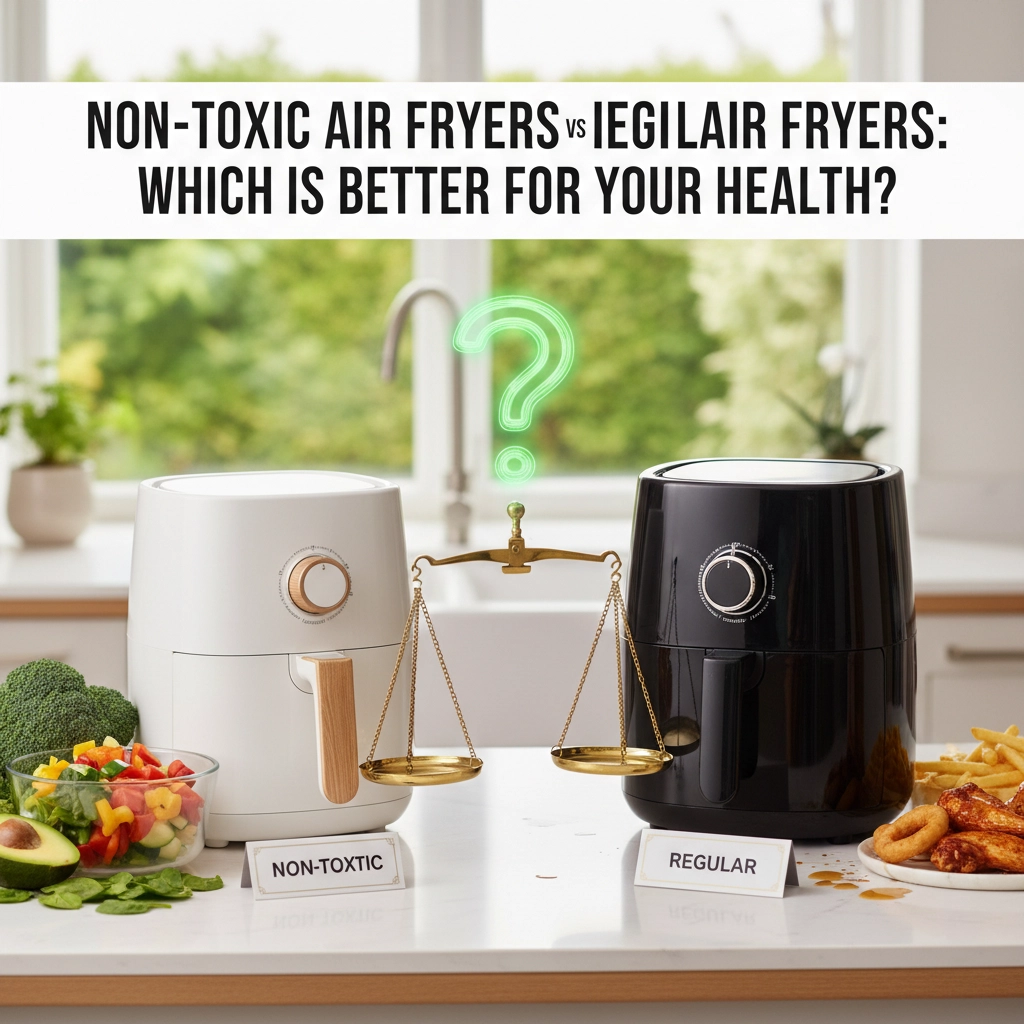
Ever wondered if that crispy chicken from your air fryer is actually as healthy as you think? With air fryers becoming as common as microwaves in American kitchens, there's a growing debate that's got health-conscious cooks scratching their heads: should you stick with your trusty regular air fryer, or make the jump to a "non-toxic" model?
Here's the thing – both types promise to slash oil usage and deliver that satisfying crunch we all crave. But when it comes to what's actually happening inside your kitchen appliance, the differences might surprise you.
What Makes an Air Fryer "Non-Toxic"?
The term "non-toxic air fryer" isn't just marketing fluff – it refers to appliances specifically designed without potentially harmful chemical coatings. Regular air fryers typically feature non-stick surfaces made with PTFE (you know it as Teflon), PFAS, or PFOA chemicals. These coatings make cleanup easier, but they come with a catch.
Non-toxic air fryers take a different approach entirely. Instead of chemical coatings, they use materials like:
- Glass baskets that can handle high heat without any chemical concerns
- Ceramic-coated surfaces that provide natural non-stick properties
- Stainless steel construction that's built to last and stay chemically neutral
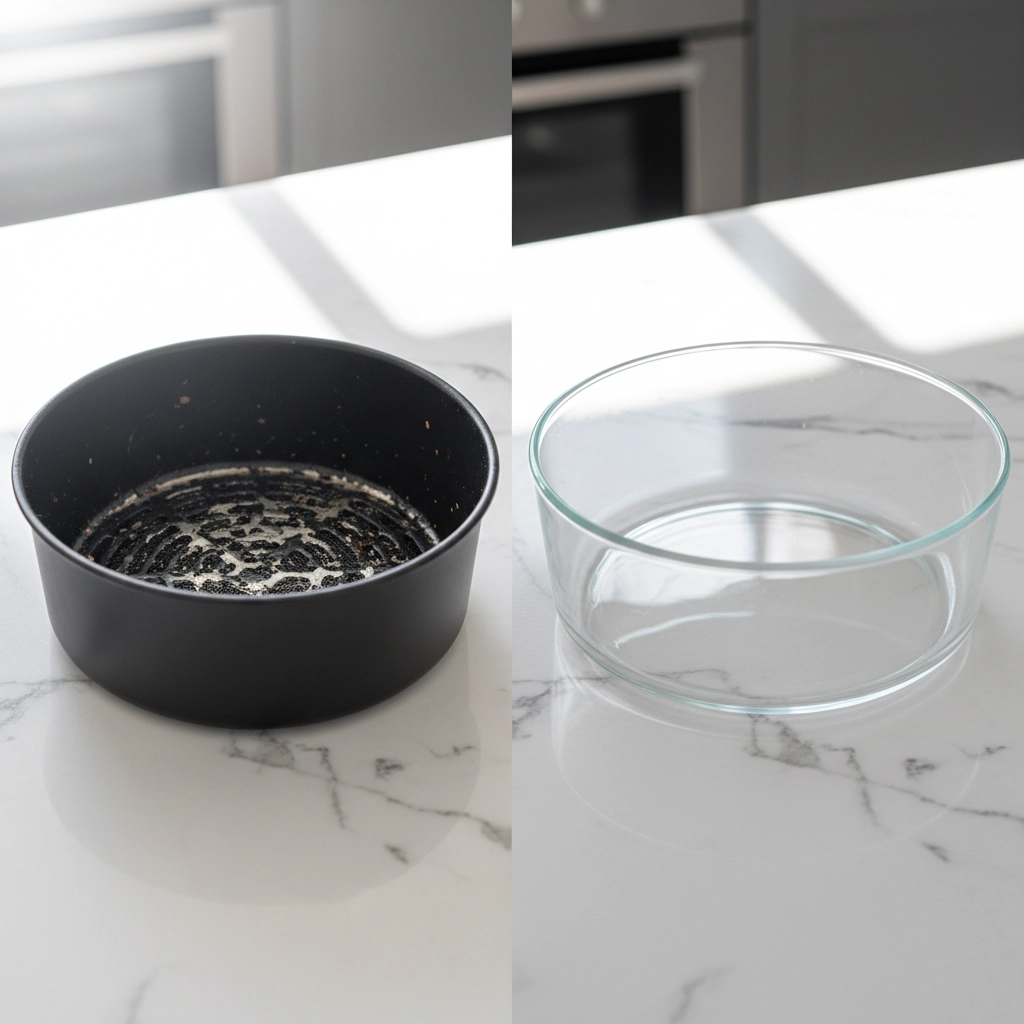
My neighbor Sarah learned this the hard way when her two-year-old air fryer started flaking black bits into her food. Turns out, the non-stick coating had begun breaking down from regular use and high heat. That's when she discovered that some coatings can release chemicals when they degrade or get overheated – something that simply can't happen with glass or ceramic alternatives.
The key difference? Non-toxic models eliminate the "forever chemicals" (PFAS) that don't break down in your body or the environment. These chemicals have been linked to various health concerns, which is why many manufacturers are now offering PFAS-free alternatives.
The Health Benefits Both Share
Before we dive into what separates these two types, let's acknowledge what they both do incredibly well. Whether you choose regular or non-toxic, you're getting some serious health upgrades compared to traditional deep frying:
• Fat reduction: Both slash oil usage by up to 80%, requiring just a tablespoon instead of cups
• Calorie cutting: You can reduce calories by the same 80% margin with either type
• Acrylamide reduction: Both cut this potentially harmful compound by up to 90% compared to deep frying
• Faster cooking: Both use rapid air circulation to cook food 25% faster than conventional ovens
• Nutrient preservation: The shorter cooking times help retain more vitamins and minerals

Think about it – whether your air fryer has a Teflon coating or a glass basket, the core technology remains the same. Hot air circulates rapidly around your food, creating that crispy exterior without drowning everything in oil. Your french fries will taste just as good, and your chicken will be just as juicy.
The cooking performance? Practically identical. Both types can handle temperatures up to 400°F (some go higher), and both deliver that satisfying crunch factor we're all chasing.
Where They Actually Differ
Here's where things get interesting. While both deliver the same cooking results, the potential health implications vary significantly:
Chemical Exposure Risk
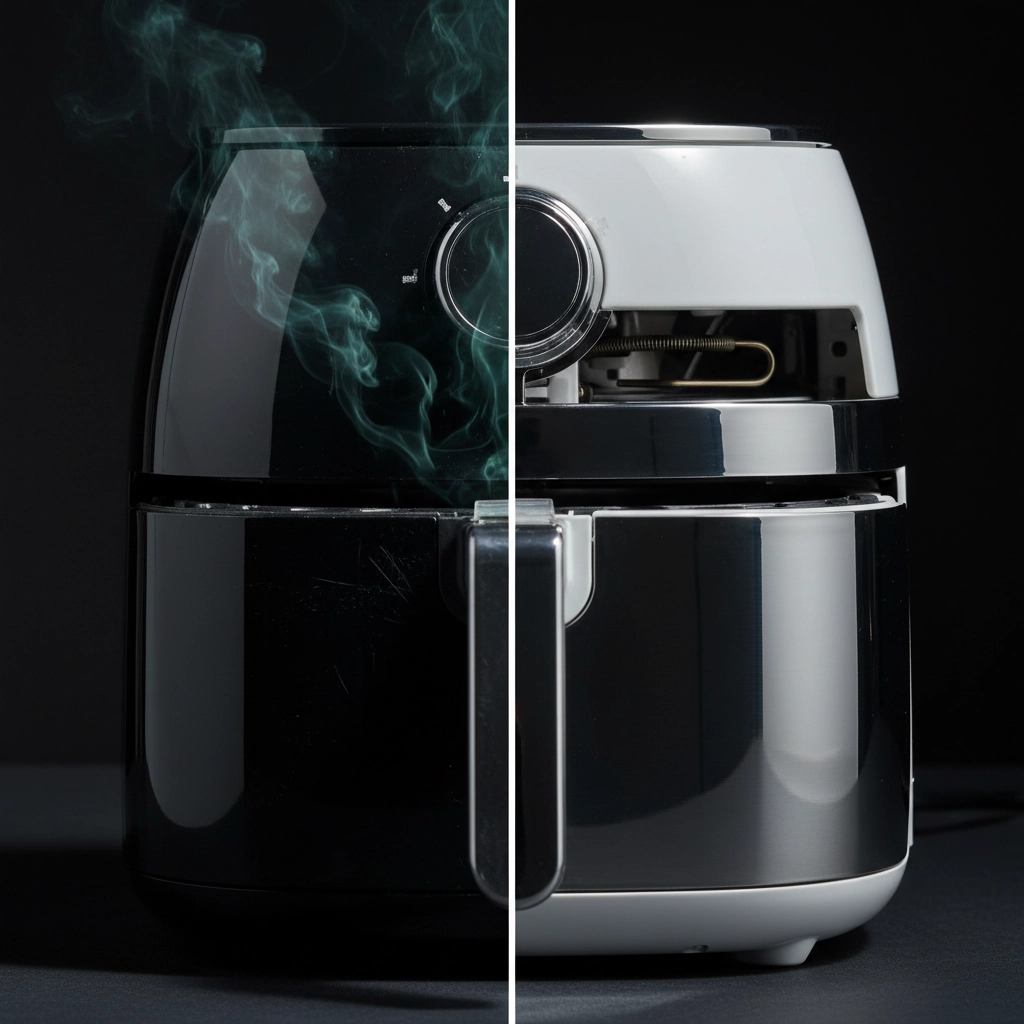
Regular air fryers with PTFE coatings are generally safe under normal conditions. However, when heated above 500°F or when the coating starts wearing down, they can release toxic fumes. Non-toxic models eliminate this risk entirely since there's no chemical coating to degrade.
Long-term Safety
PFAS chemicals (found in many regular air fryers) are called "forever chemicals" because they don't break down naturally. They can accumulate in your body over time. Non-toxic air fryers use materials that won't leach chemicals, even after years of use.
Maintenance Concerns
Regular air fryers require careful handling to prevent coating damage. Scratches, overheating, or using metal utensils can compromise the surface. Non-toxic models are more forgiving – you can scrub a glass or stainless steel basket without worry.
Price Point Reality
Here's the honest truth: non-toxic air fryers typically cost more. While regular models range from $50-150, non-toxic versions usually start around $100 and can go up to $300 or more. The question becomes: is the chemical peace of mind worth the extra investment?
Durability Difference
Glass and ceramic surfaces can last decades without degrading, while non-stick coatings inevitably wear down. If you're someone who uses their air fryer daily, a non-toxic model might actually save money in the long run since you won't need replacements every few years.
Which Should You Choose?
The answer depends on your priorities and situation. If you're primarily focused on achieving the basic health benefits of air frying – less oil, fewer calories, and faster cooking – either option will serve you well.
Choose a regular air fryer if:
- Budget is your main concern
- You cook infrequently and can maintain the coating carefully
- You're satisfied with the cooking performance and don't mind eventual replacement
- You're not particularly concerned about long-term chemical exposure
Go with a non-toxic air fryer if:
- You use your air fryer daily or several times per week
- You're concerned about PFAS exposure and prefer chemical-free cooking
- You want an appliance that'll last for decades without performance degradation
- You're willing to invest more upfront for long-term peace of mind
The reality is that both types offer massive health improvements over traditional frying methods. You're still getting 80% less oil, significantly fewer calories, and all the convenience of faster cooking. The choice between regular and non-toxic really comes down to how much you value eliminating potential chemical exposure.
For families with young children, people with chemical sensitivities, or anyone who prefers to err on the side of caution, the extra cost of a non-toxic model often feels justified. For occasional users or budget-conscious shoppers, a quality regular air fryer from a reputable brand can serve perfectly well with proper care.
What matters most to you when choosing kitchen appliances – the lowest upfront cost, or the longest-term safety and durability?