What if you could type an email just by thinking about it? Or help someone who's lost their ability to speak share their thoughts with the world again? Scientists in Japan just made this sound like something out of a sci-fi movie into reality – and it's way more accurate than you'd expect.
Researchers at NTT's Communication Science Laboratories have developed what they call "mind-captioning" technology. It's not telepathy, but it's pretty close. This AI system can literally read your brain activity and turn your thoughts into coherent text descriptions. We're talking about a breakthrough that could change everything from how we help stroke victims communicate to how we interact with computers in the future.
What Is Mind-Captioning Technology?
Think of mind-captioning as a translator between your brain and a computer screen. When you watch a movie or remember something you saw yesterday, specific patterns light up in your brain. This technology captures those patterns using brain scans and converts them into actual sentences that describe what you were thinking about.
Tomoyasu Horikawa, the scientist leading this research, didn't just stumble onto this idea. His team spent months training AI systems to understand the connection between brain activity and language. The result? A system that can generate text descriptions directly from your thoughts with surprising accuracy.
Here's what makes this different from previous brain-computer interfaces: instead of just detecting simple commands like "move left" or "click here," this technology creates full, descriptive sentences. When someone thinks about a red car driving down a street, the system doesn't just detect "car" – it generates something like "a red vehicle moving along the road."
The technology works in two main steps. First, it translates your brain activity into what scientists call "semantic features" using a deep language model. Think of these as the building blocks of meaning that your brain uses when processing information. Second, it generates natural language descriptions that match those decoded features, creating sentences that actually make sense.
How Scientists Are Reading Your Brain
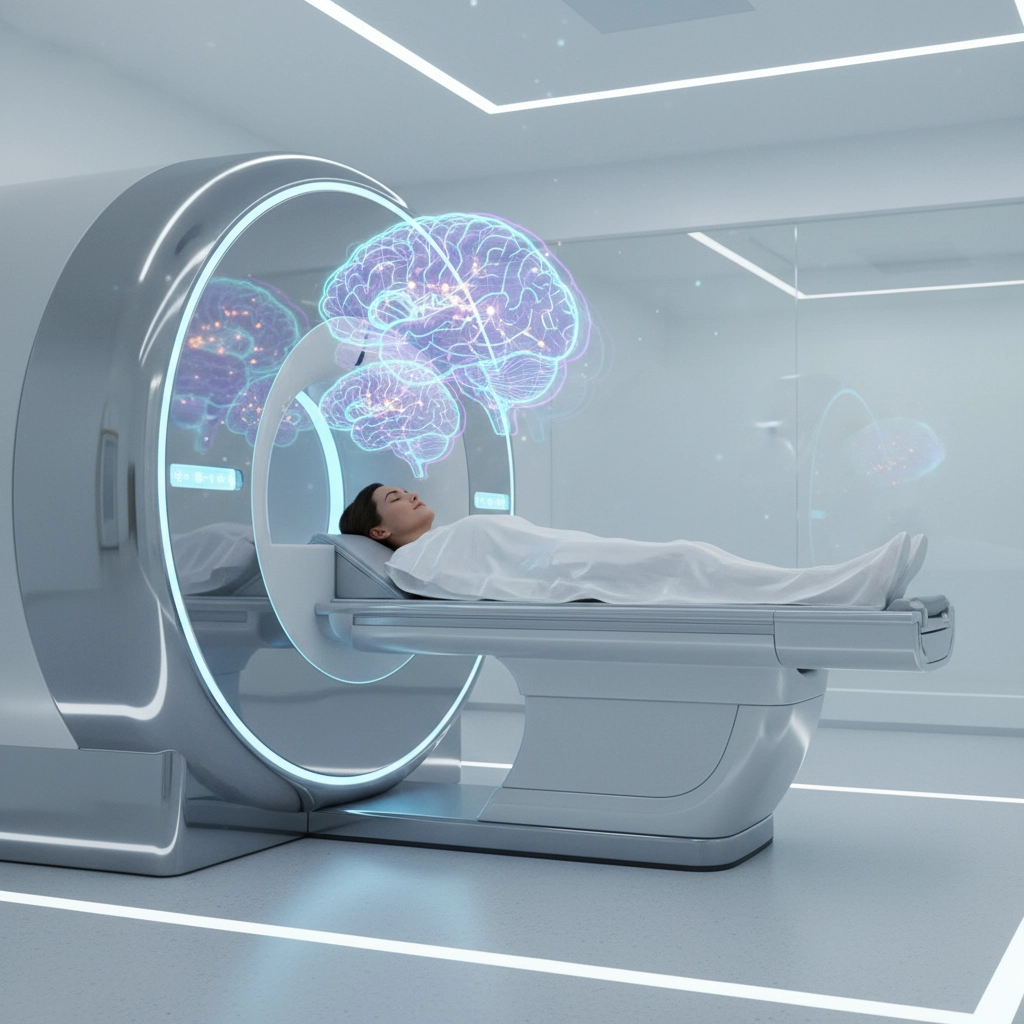
The testing process sounds like something straight out of a research lab – because that's exactly what it is. Six volunteers watched thousands of short video clips while lying inside functional MRI machines. These weren't just random videos either. The clips showed everything from people walking dogs to objects falling off tables to social interactions between groups.
As participants watched these videos, the MRI scanners recorded their brain activity in real-time. The AI system learned to match specific brain patterns with the content people were seeing. But here's where it gets really interesting: the system could also generate descriptions when people were just remembering the videos they'd watched earlier, without any visual input at all.
The accuracy results surprised even the researchers. When the AI tried to match brain activity to the correct video, it succeeded nearly 50% of the time. That might not sound impressive until you consider that random guessing would only work about 1% of the time. In brain-computer interface terms, that's incredibly accurate.
One participant described the experience as "weird but not uncomfortable." She explained that during the recall phase, when she was trying to remember specific videos, she could almost feel her brain working harder to reconstruct the visual details. The AI picked up on these subtle differences in brain activity and translated them into surprisingly accurate descriptions.
Who Could Benefit From Thought-to-Text Technology?
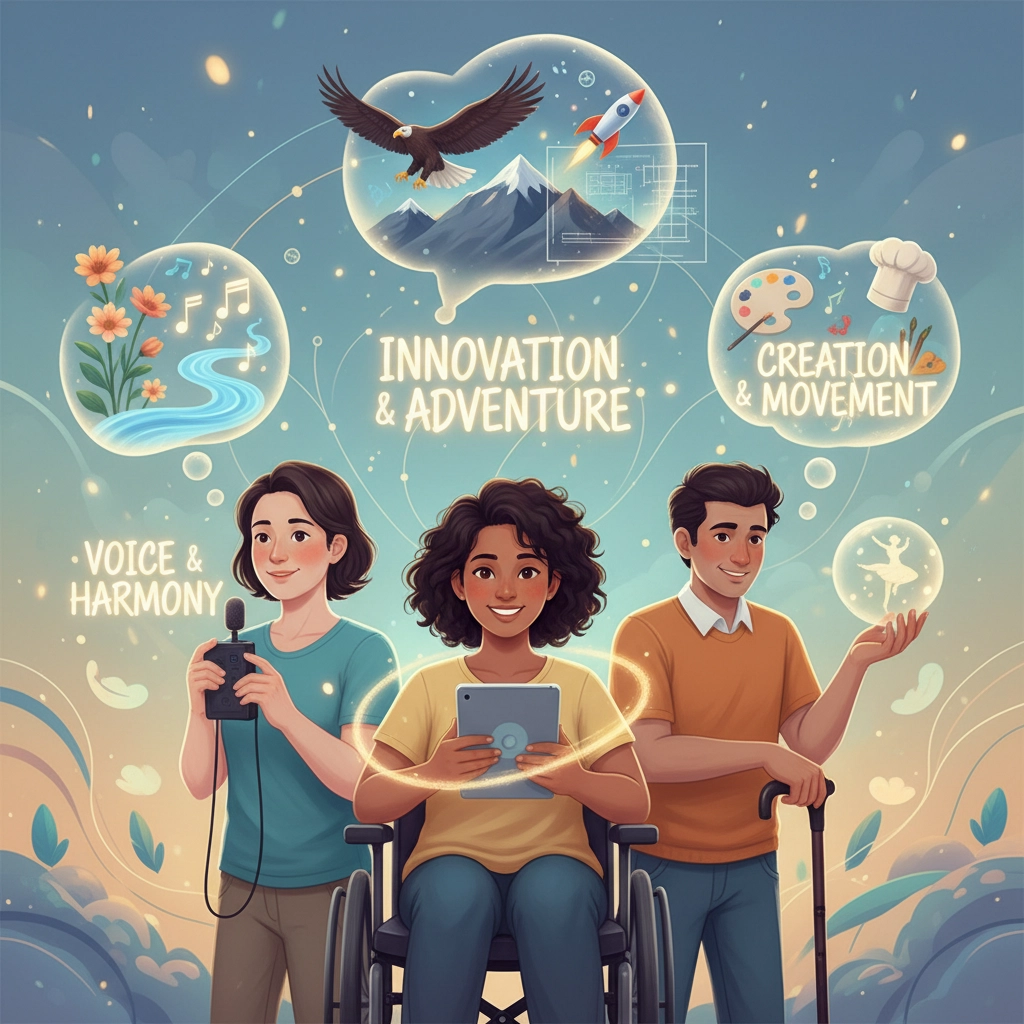
The most obvious applications involve helping people who've lost their ability to communicate normally. Stroke victims with aphasia often know exactly what they want to say but can't find the words or speak them clearly. For these individuals, mind-captioning could restore their voice in a very literal sense.
People with severe paralysis face similar challenges. They might have perfectly functioning minds trapped in bodies that won't respond to their commands. Current brain-computer interfaces can help them control cursors or type individual letters, but that's painfully slow. Mind-captioning could let them generate entire sentences just by thinking about what they want to communicate.
The applications extend beyond medical uses too:
• Enhanced virtual reality experiences where your thoughts control the narrative
• Faster computer interaction for people who work with complex data
• Better understanding of memory disorders and how our brains store information
• New ways to study consciousness and the relationship between thought and language
• Potential assistance for people learning new languages by directly accessing their conceptual understanding
But there's a more personal side to this technology that researchers are just beginning to explore. Imagine being able to capture and share memories with perfect clarity. Instead of struggling to describe a beautiful sunset you witnessed, you could let others experience exactly what you saw and felt. It's like having a direct line from your consciousness to the outside world.
The Privacy Concerns That Keep Scientists Awake at Night
Here's where things get complicated. If computers can read your thoughts, who controls that information? The researchers aren't naive about these concerns – they're actually leading the conversation about mental privacy and what they call "cognitive liberty."
The current technology requires you to be lying inside a massive MRI machine, so it's not like someone's going to secretly scan your thoughts at Starbucks. But as the technology improves and becomes more portable, these privacy questions become much more urgent.
Łukasz Szoszkiewicz, a researcher studying these ethical implications, put it bluntly: "The neuroscience is moving fast and the assistive potential is huge – but mental privacy and freedom of thought protections can't wait."
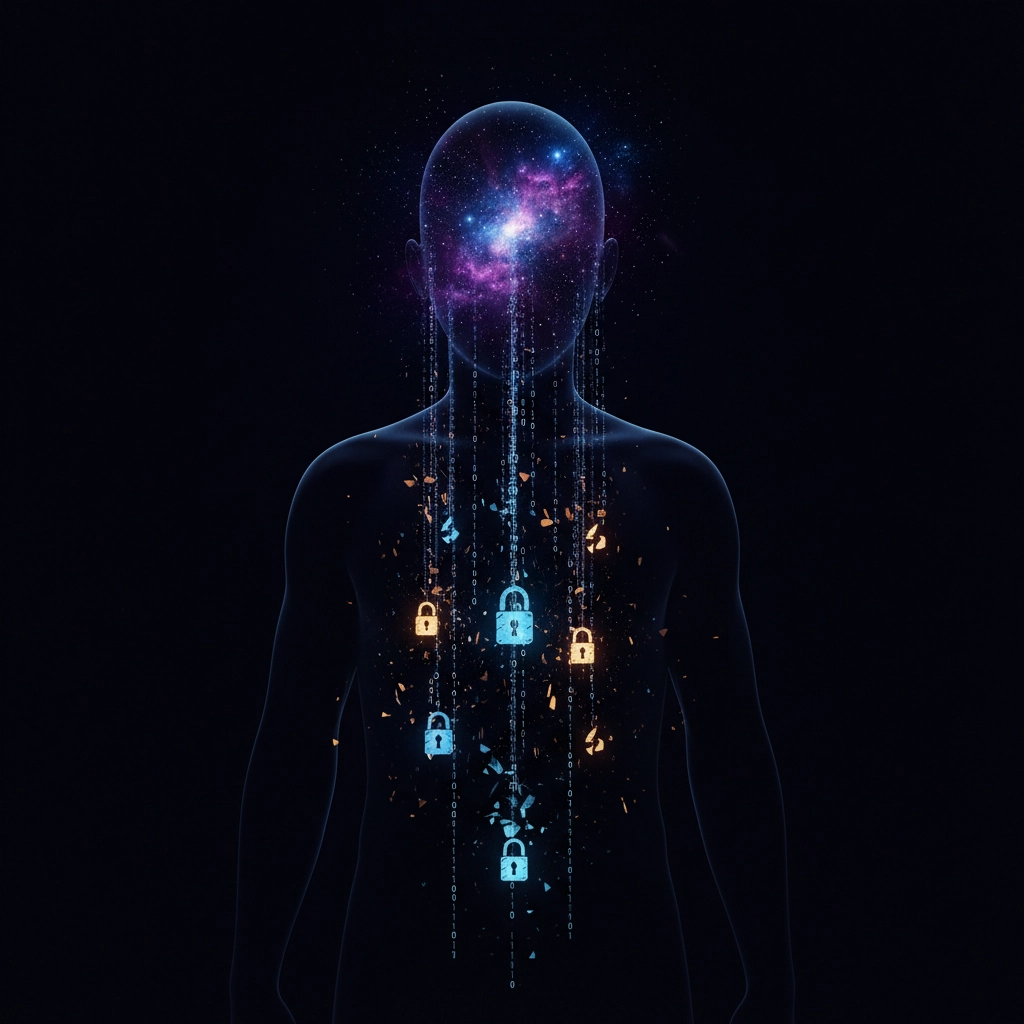
Some proposed solutions involve mental "passwords" – specific thoughts you'd need to think to activate the system. Others suggest building in technical limitations that only allow the technology to decode certain types of thoughts or only work when you're actively trying to communicate.
The European Union is already considering regulations around neurotechnology, and several U.S. states are exploring "mental privacy" laws. But the technology is advancing faster than the legal frameworks designed to govern it.
There's also the question of accuracy and interpretation. What happens when the AI misreads your thoughts? If you're thinking about a heated argument you had earlier, could the system incorrectly interpret those emotions as current intentions? These aren't just technical problems – they're fundamental questions about consciousness, privacy, and human rights.
The researchers emphasize that current mind-captioning technology can only decode relatively simple visual and conceptual information. It's not reading your deepest secrets or complex emotional states. But as the AI systems improve, that distinction might become less clear.
What fascinates scientists most is how this technology might help us understand consciousness itself. By seeing exactly how thoughts translate into language in our brains, we're getting an unprecedented window into one of the most mysterious aspects of human experience.
As this technology develops, we'll need to balance its incredible potential to help people communicate with the very real risks it poses to mental privacy. The scientists working on mind-captioning aren't just building cool gadgets – they're literally creating tools that could redefine what it means to have private thoughts.
So here's the question that'll probably keep you thinking tonight: if computers could read your thoughts perfectly, would you want them to?