What if I told you that hackers are using AI to launch cyberattacks that cost businesses an average of $4.9 million per breach? And that these attacks increased by 72% in just one year?
You'd probably want to know what you're up against, right?
The cybersecurity landscape changed overnight. AI isn't just helping us write emails and generate images anymore. It's become the secret weapon of choice for cybercriminals who want to break into your business, steal your data, and hold it for ransom.
Here are 10 critical things every business owner needs to understand about AI-powered cyberattacks happening right now.
The Scale of the Problem Is Staggering
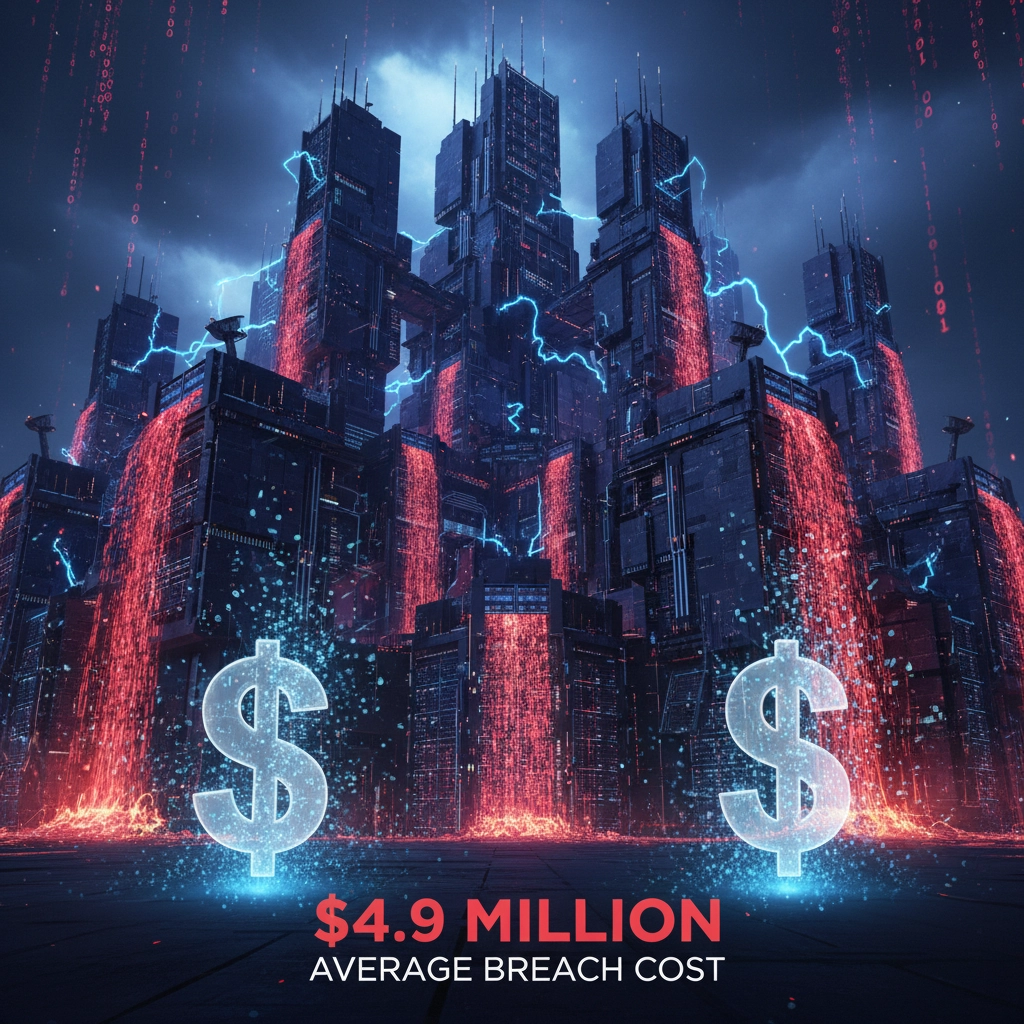
Let's start with some numbers that'll make your head spin. The global cost of a single data breach hit $4.9 million in 2024 : that's a 10% jump from the year before. But here's the kicker: experts predict cybercrime costs will reach $24 trillion by 2027.
That's not a typo. Trillion with a T.
In just the first half of 2025, over 8,000 data breaches exposed 345 million records worldwide. Small businesses got hit especially hard : they're now seven times more likely to report having insufficient cyber defenses compared to just three years ago.
Here's what makes these attacks different from anything we've seen before:
- AI-powered malware adapts in real-time to your security measures
- Attacks happen autonomously without human supervision once they start
- Cybercriminals can now launch thousands of personalized attacks simultaneously
- Traditional security tools can't keep up with AI-driven threats
- Recovery costs include everything from ransom payments to legal fees and lost customers
The math is simple: if you think cybersecurity is expensive, wait until you see what a successful attack costs.
How AI Changes Everything for Attackers
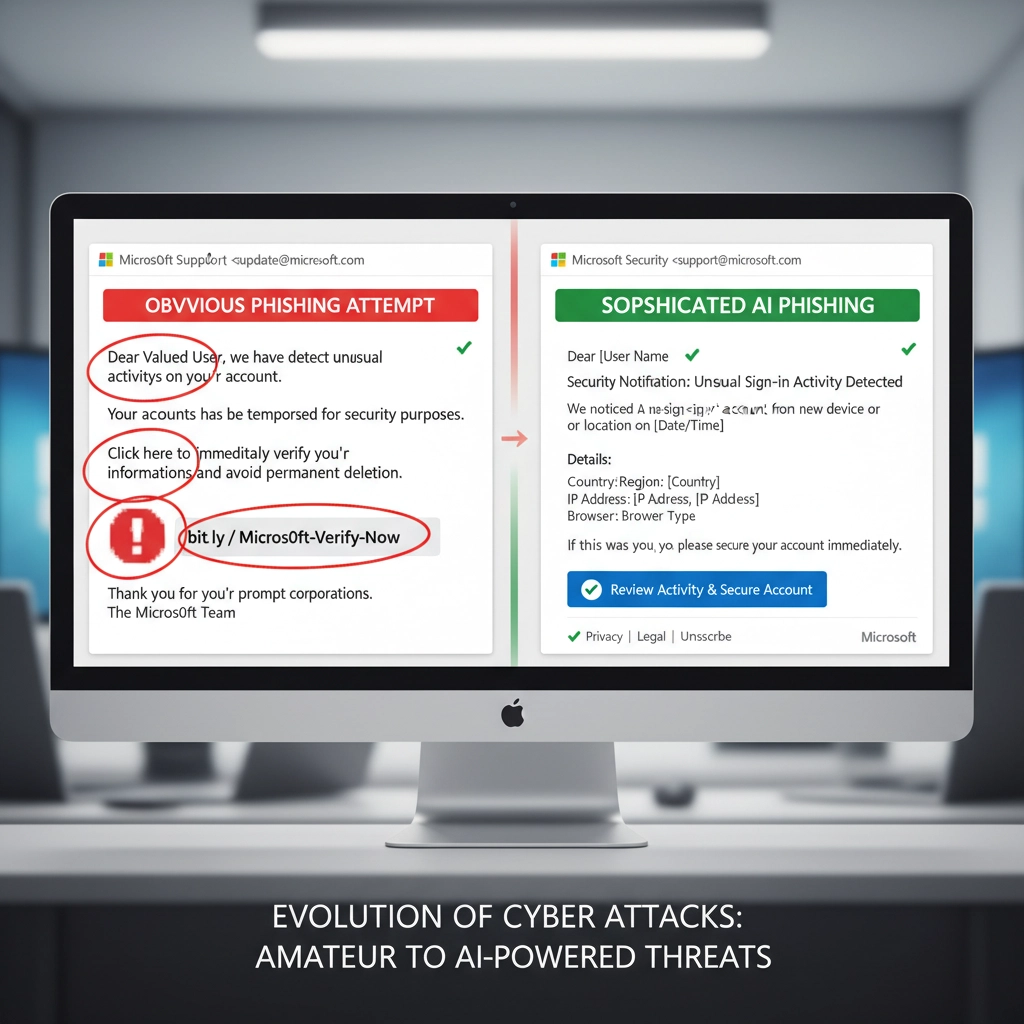
Remember those obviously fake phishing emails with terrible grammar and suspicious links? Those days are over.
AI helps hackers create phishing emails that look like they came from your CEO, your bank, or your biggest client. They analyze your social media posts, recent purchases, and even mimic the writing style of people you trust.
Take Sarah, a marketing director at a mid-size company. She got an email that looked like it came from her boss, asking her to urgently process a wire transfer. The email referenced their recent client meeting, used her boss's typical sign-off, and even mentioned the project they'd discussed that morning. Sarah nearly fell for it because the AI had scraped months of email patterns to create the perfect fake.
But here's where it gets really scary: AI malware doesn't need a human operator once it gets inside your network. It spreads automatically, learns your system's weak spots, and targets your most valuable files. BlackMatter ransomware is a perfect example : it uses AI to figure out which files will hurt you most if encrypted.
The AI doesn't just steal data randomly. It's smart enough to wait for the perfect moment to strike, often during weekends or holidays when your IT team isn't watching as closely.
What This Means for Your Business
Your current security setup probably wasn't designed to handle AI-powered attacks. Those endpoint detection systems and firewalls you invested in? They're built to catch yesterday's threats, not tomorrow's AI-driven chaos.
Small businesses face the biggest challenge here. While large corporations have dedicated cybersecurity teams and million-dollar budgets, smaller companies are stuck trying to do more with less. Cybersecurity budgets have only grown 4% in 2025, but threats have exploded by 72%.

The reality check is harsh:
Your business data is valuable to criminals regardless of your company size. They don't care if you're a Fortune 500 company or a local bakery : if you have customer information, financial records, or intellectual property, you're a target.
The good news? You don't have to face this alone or break the bank trying to protect yourself.
Fighting Back with the Right Strategy
Companies that use AI-powered cybersecurity tools save an average of $2.2 million compared to those relying on traditional methods alone. That's not just about having better software : it's about having systems that can think and adapt as fast as the attackers.
Here's what actually works against AI-powered threats:
Layer your defenses. No single tool will save you. Combine AI-powered threat detection with network segmentation, multi-factor authentication, and regular employee training. Think of it like your home security : you don't just rely on door locks. You add motion sensors, cameras, and maybe a security system that calls the police.
Train your team. The best security software in the world won't help if someone clicks on a convincing AI-generated phishing email. Regular training sessions that show real examples of AI-powered scams can turn your employees from security liabilities into your first line of defense.
Plan for when things go wrong. You need an incident response plan that your team can execute quickly. This includes knowing who to call, how to contain a breach, and how to communicate with customers if their data gets compromised.
Keep your AI services locked down. If you're using AI tools for your business, make sure they're not publicly accessible without proper authentication. Hackers love finding unsecured AI services they can use as entry points.
The companies winning this fight aren't just buying more expensive security tools. They're building security into everything they do, from how they onboard new employees to how they design their networks.
The question isn't whether AI-powered cyberattacks will target your business : it's when. Are you ready to fight back with the same level of intelligence that's coming after you?