
Ever wondered why your "guaranteed viral" content gets three likes and your mom's comment? You're not alone. Creating viral content isn't just about luck, it's about avoiding the landmines that kill your reach before it even starts.
Here's the thing: most creators are sabotaging themselves without even knowing it. They're making the same seven mistakes over and over, wondering why their content never takes off. Let's fix that right now.
The Cultural Sensitivity Trap
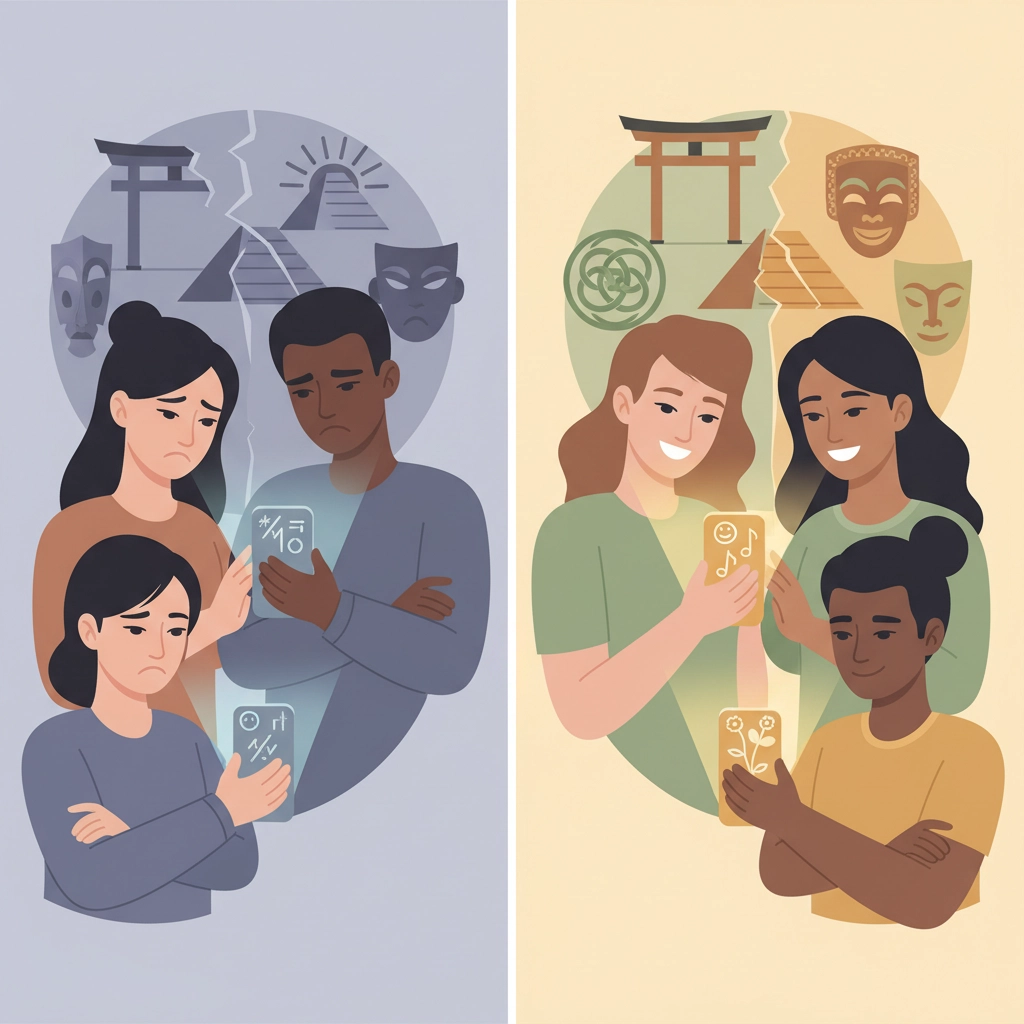
This one's a reputation killer. Cultural insensitivity spreads faster than wildfire, but for all the wrong reasons. Your content gets shared alright, by people roasting you in the comments.
The problem? You published something that seemed harmless to you but hit different for other cultures or communities. Maybe it was a joke that didn't translate, or imagery that carried meanings you never considered.
The fix is simple but crucial: Stay plugged into current events and public sentiment. Before hitting publish, ask yourself: "Could this possibly offend someone given what's happening right now?"
Get diverse perspectives on your content. If you're a team of one, find trusted friends from different backgrounds to give your stuff a once-over. It takes two minutes and saves you from months of damage control.
Timing Is Everything (And You're Getting It Wrong)
Remember that brand that tweeted a cheerful promotion during a national tragedy? Yeah, don't be that brand.
Poor timing turns innocent content into PR nightmares. Your perfectly crafted post becomes tone-deaf when it drops at the wrong moment. Politics, celebrity scandals, natural disasters: they all change how your content gets received.
Here's what works: Monitor the news cycle before scheduling anything. Set up Google Alerts for major breaking news. If something big happens, pause your scheduled content and reassess.
I learned this the hard way when I scheduled a "Monday Motivation" post about overcoming obstacles: right after a major earthquake hit. The backlash was swift and brutal, but it taught me to always check the room before speaking.
Clickbait: The Double-Edged Sword
"You Won't Believe What Happens Next!" Sure, people click. But when they realize you've lied to them? They share your content to mock you, not praise you.
Clickbait gets you viral for being deceptive, not valuable. Your headline promises mind-blowing revelations, but your content delivers basic information everyone already knows.
The better approach: Make your headlines intriguing but honest. You can create curiosity without lying. Instead of "This Secret Will Change Your Life Forever," try "The Simple Habit That Boosted My Productivity 40%." Same click-worthiness, zero deception.
When Words Mean More Than You Think
Language is tricky. What sounds clever to you might sound completely different to your audience. Double meanings, cultural references, and visual elements can all be misinterpreted in ways that make your content go viral for the wrong reasons.
This happens more than you'd think. A phrase that's innocent in one context becomes problematic in another. An image that seems straightforward carries hidden meanings you never considered.
Prevention strategy: Get fresh eyes on everything before it goes live. Show your content to people who aren't familiar with your brand or industry. Ask them what they see, what they think it means. If there's any confusion or potential for misinterpretation, revise it.

Trend-Hopping Without Homework
Trends are tempting. Everyone's doing the thing, so you should too, right? Wrong. Jumping on bandwagons without research is like stepping on a landmine blindfolded.
That trending hashtag might have problematic origins. That viral challenge might not align with your brand values. That meme format might have offensive roots you never investigated.
Do this instead: Research every trend thoroughly before participating. Check its history, understand its context, and make sure it genuinely fits your brand. Only join trends that feel authentic to who you are, not just what's popular.
Here's a checklist for trend participation:
- What's the origin of this trend?
- Does it align with my brand values?
- Am I adding something unique or just copying?
- Would my audience expect me to participate in this?
- Can I execute this authentically?
Humor That Hurts Your Brand
Comedy is content gold: until it backfires spectacularly. Offensive jokes, edgy humor, and divisive content can destroy your reputation faster than you can say "just kidding."
The problem with controversial humor? It might get laughs from some people, but it gets shared by others specifically to criticize you. Your joke becomes exhibit A in why people shouldn't follow your brand.
The solution: Know your audience and stay in your lane. Some topics: politics, religion, race, gender: are comedy minefields unless you're specifically positioned as a voice in those spaces. When in doubt, choose clever over controversial.
Test your humor with trusted advisors before publishing. If anyone hesitates or looks uncomfortable, that's your cue to try something else.
The Silent Treatment That Makes Things Worse
Mistakes happen. Content gets misunderstood. Problems arise. But here's what kills brands: staying silent when issues emerge.
Your audience spots an error or takes offense at something you posted. You ignore it, hoping it'll blow over. Instead, your silence gets interpreted as arrogance or indifference, making the situation explode.
The fix: Monitor your content actively after posting. Set up notifications for comments and mentions. When issues arise, address them quickly and professionally.
Speed matters here. Responding within hours shows you're paying attention and care about your audience's concerns. Waiting days or weeks makes you look out of touch and dismissive.

The Foundation: Actually Knowing Your Audience
Here's the mistake underlying all other mistakes: creating content for everyone instead of someone. Not all 5.6 billion social media users are your people. Trying to please everyone guarantees you'll please no one.
Before creating anything, ask yourself: "Is this for my actual audience or am I trying to appeal to the masses?" Generic content rarely goes viral in a meaningful way.
Get specific about who you're creating for:
- What are their pain points?
- What language do they use?
- What topics genuinely interest them?
- What style of content do they share?
Create for your tribe, not for the trending page. Authentic connection with your actual audience beats hollow viral moments every time.
Creating viral content isn't about going big or going home: it's about going smart. These seven mistakes are completely avoidable once you know what to look for. The brands that consistently create share-worthy content aren't the ones taking the biggest risks; they're the ones who understand their audience and respect their responsibility as content creators.
Which of these mistakes have you been making without realizing it?