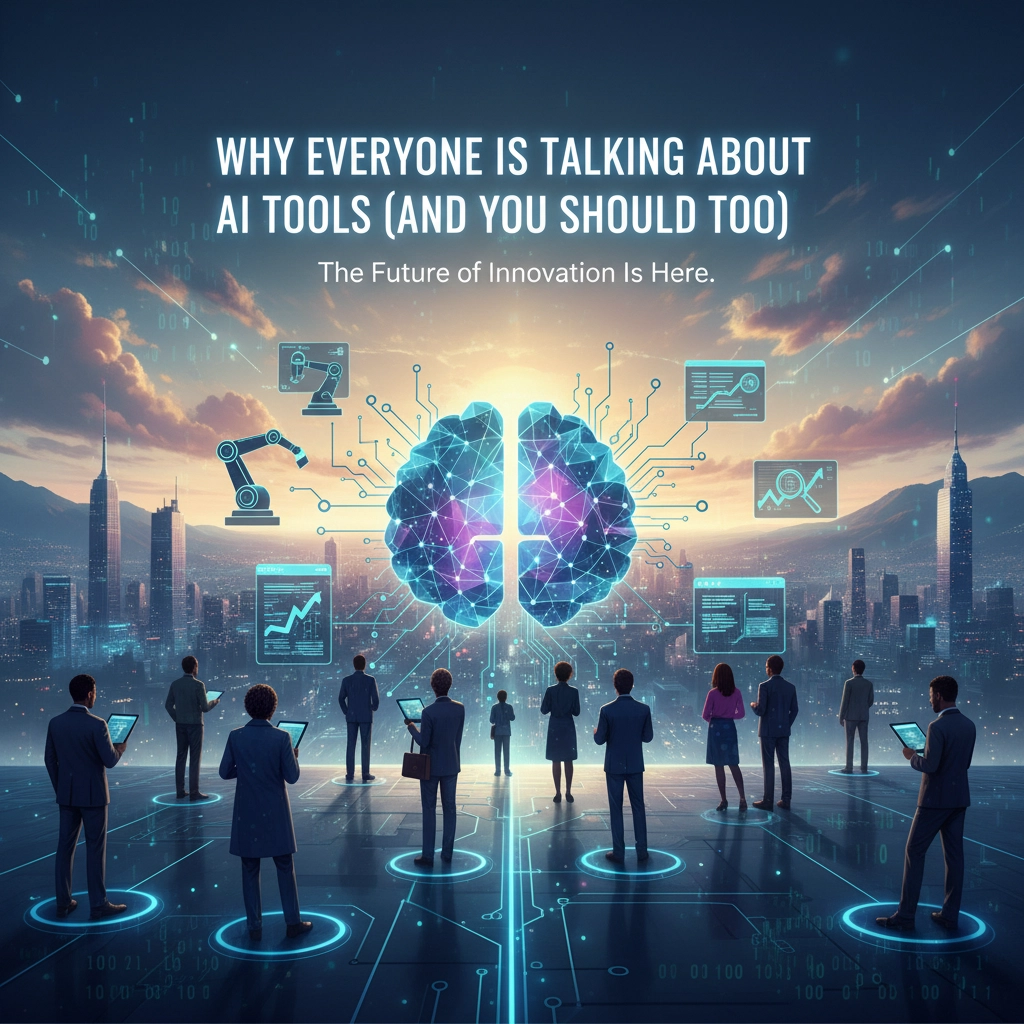
Ever notice how AI seems to pop up in every conversation lately? Your coworker mentions ChatGPT, your mom asks about some AI photo app, and your LinkedIn feed won't stop buzzing about automation. There's a reason for this sudden obsession: and it's not just hype.
Nearly two billion people are already using AI tools. That's roughly a quarter of the world's population. But here's what's really wild: most of them don't even realize it.
The Numbers Don't Lie – AI is Everywhere
The adoption rate is absolutely bonkers. In 2023, only 55% of organizations reported using AI. Fast forward to 2024, and that number jumped to 78%. That's not a gradual shift: that's a stampede.

Companies aren't jumping on this bandwagon for fun. They're seeing real results. Organizations using AI tools are reporting an average performance boost of 66%. Customer support teams using AI handle 13.8% more inquiries per hour while actually improving the quality of their work by 1.3%.
The economic impact? Experts predict AI will contribute $15.7 trillion to the global economy by 2030. To put that in perspective, that's roughly the entire GDP of the United States right now.
But these aren't just corporate success stories. This massive shift affects everyone: whether you work in a cubicle, run a small business, or you're still in school.
It's Not Just Tech Companies Anymore
Remember when AI felt like something only Google and Facebook cared about? Those days are over. AI has broken out of Silicon Valley and landed everywhere:
• Healthcare: Doctors use AI to spot diseases earlier and discover new medications faster
• Finance: Banks detect fraud in real-time and assess loan risks with scary accuracy
• Retail: Online stores predict what you want before you know you want it
• Manufacturing: Factories prevent equipment breakdowns before they happen
• Transportation: Your GPS route considers traffic, weather, and construction all at once
Here's a story that'll make this real: Last month, my friend Sarah's small bakery started using an AI tool to predict daily demand. Instead of throwing away stale pastries or running out of popular items, she now knows exactly how many croissants to bake each morning. Her food waste dropped by 40%, and customer satisfaction went up because people actually get what they want.
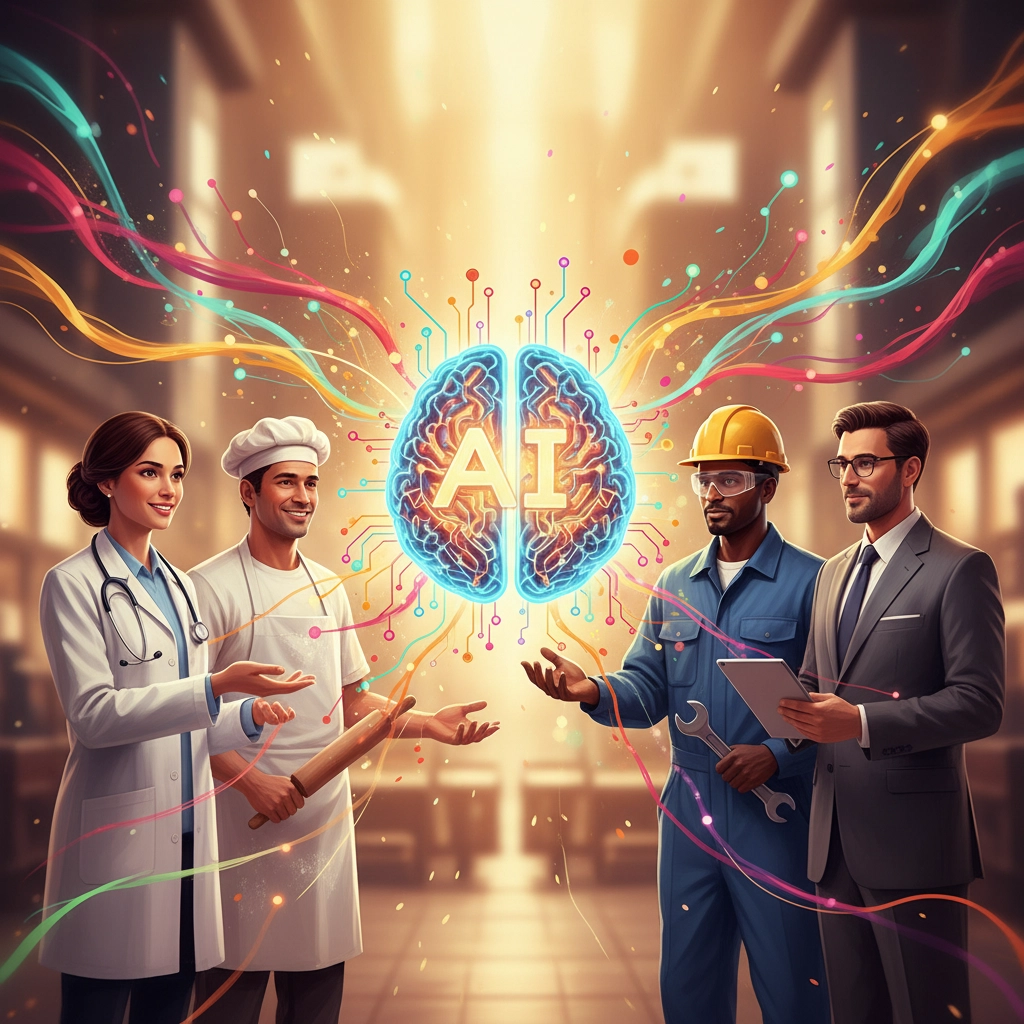
That's not some tech giant's success story. That's a local business owner using AI to solve everyday problems.
Your Daily Life is Already AI-Powered
You probably used AI five times before finishing your morning coffee. Seriously.
Your phone's alarm app learned your sleep patterns and woke you during a lighter sleep phase. Your email sorted important messages from spam automatically. Your music app created a playlist based on your mood and listening history. Your navigation app found the fastest route to work, avoiding that construction you forgot about.
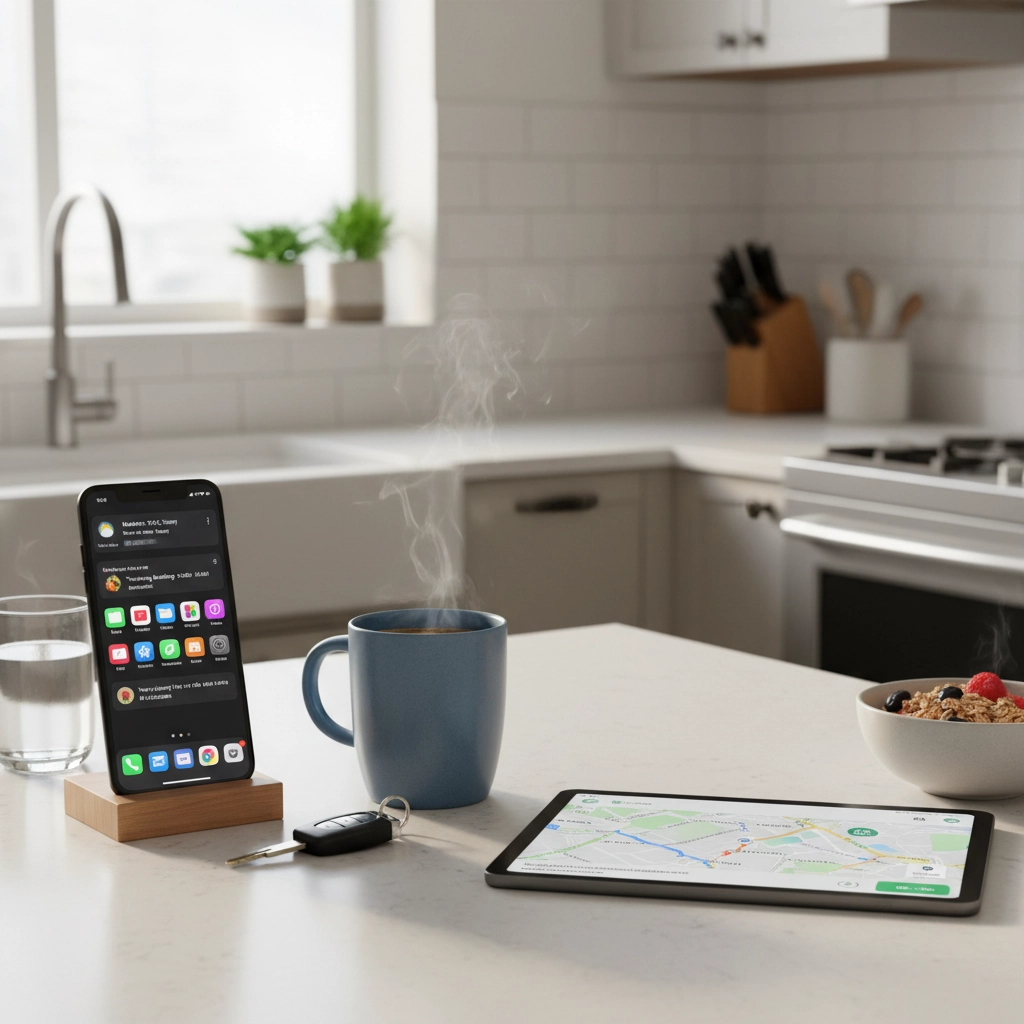
Even your online banking app used AI to verify that weird transaction was actually you and not some scammer in another country.
This isn't futuristic stuff: it's happening right now. The reason everyone's talking about AI is because it's quietly become the invisible assistant we never knew we needed.
Why This Matters to You Right Now
Here's the thing: AI literacy isn't a nice-to-have skill anymore. It's becoming essential, like knowing how to use email or search Google.
The job market is shifting fast. Almost every role will involve AI in some capacity within the next few years. But this isn't about robots taking over: it's about people who understand AI taking over from people who don't.
Think about it this way: When the internet became mainstream, the people who learned to use it effectively gained a massive advantage over those who ignored it. AI is following the same pattern, but faster.

Plus, AI is tackling humanity's biggest challenges. Climate change, disease detection, cybersecurity threats: AI is helping solve problems that seemed impossible just a few years ago. Understanding this technology means understanding how the world is changing.
The conversation around AI keeps growing because we're living through a genuine technological shift. It's not marketing hype or Silicon Valley buzz. It's a fundamental change in how we work, solve problems, and live our lives.
Companies that embrace AI are outperforming competitors. People who learn to use AI tools are becoming more productive and valuable. Countries investing in AI research are gaining economic advantages.
So when you hear people talking about AI at dinner parties, coffee shops, or team meetings, they're not just following trends. They're recognizing something important: AI isn't coming to change everything: it already has.
What's one AI tool you've been curious about but haven't tried yet?