
Ever wonder what it takes to make Elon Musk sweat? On November 13, 2025, Jeff Bezos just delivered the answer. Blue Origin's New Glenn rocket didn't just launch: it landed, recovered, and sent two spacecraft toward Mars in what might be the most underreported space achievement of the year.
While everyone's been obsessing over SpaceX's latest Starship tests, Bezos quietly pulled off something that changes the entire space race. Here's why this launch matters way more than the headlines suggest.
The Historic Landing That Changed Everything
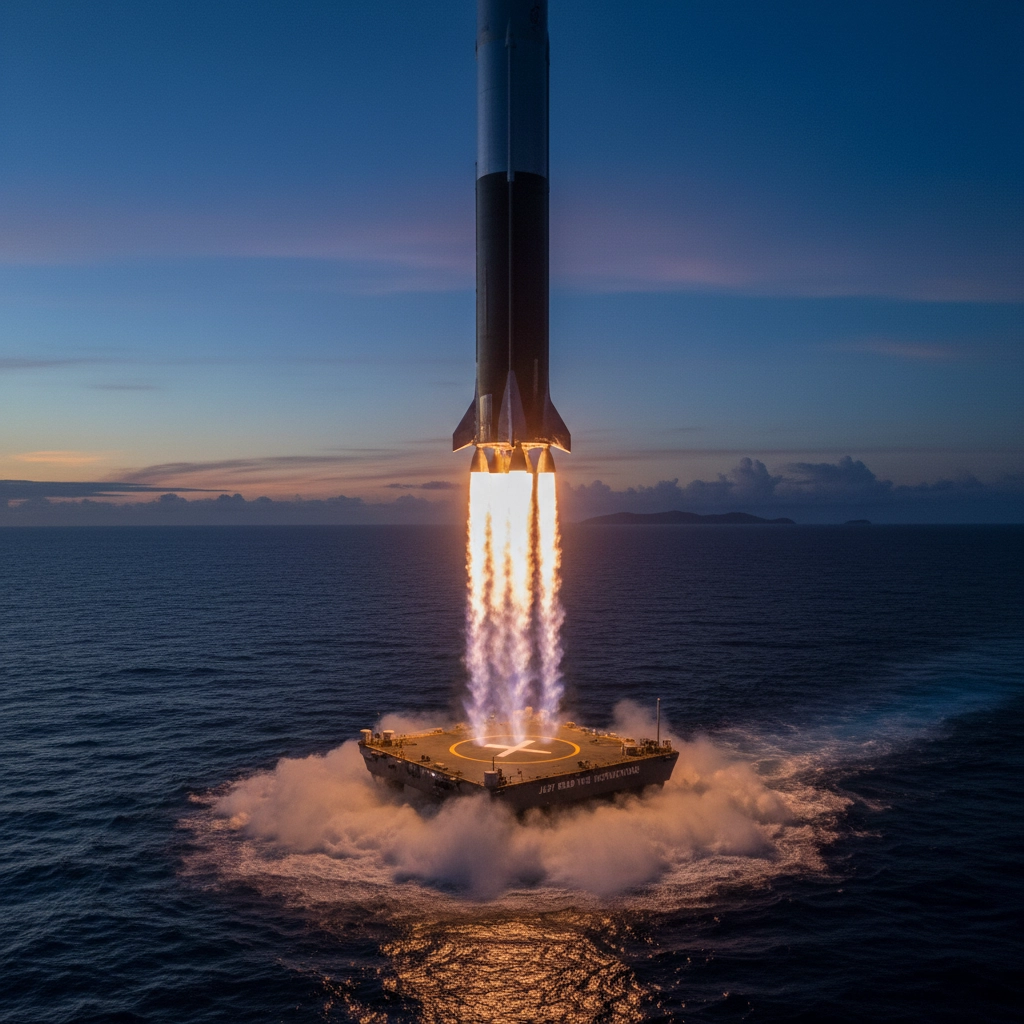
Let's start with the obvious game-changer: New Glenn stuck the landing. Not on land, not on some fancy concrete pad, but on a moving droneship bobbing around in the Atlantic Ocean. Think catching a falling pencil while riding a roller coaster: except the pencil is 20 stories tall and costs $500 million.
This wasn't just Blue Origin's first successful droneship landing. It was their statement that they're done playing catch-up with SpaceX. The first stage recovery means they can reuse the most expensive part of the rocket, slashing launch costs from tens of millions to just a few million per mission.
Reason #1: Reusable rockets just got real competition. SpaceX has dominated this space for years, but now they've got serious company. When you've got two major players driving down costs, everyone wins: especially NASA and commercial customers who've been paying premium prices.
Reason #2: The timeline is everything. This was only New Glenn's second flight ever. Their first was a test mission back in January 2025. Going from test flight to operational Mars mission in less than a year? That's not just impressive: it's unprecedented in the rocket industry.
My neighbor works at NASA, and he told me something interesting over our fence last week. "The government's been waiting for this moment," he said, pointing at a Blue Origin sticker on his laptop. "We need options. We can't put all our eggs in one SpaceX basket forever."
Why This Mars Mission Matters More Than You Think
The ESCAPADE mission isn't your typical "let's take some pretty pictures of Mars" type deal. Blue Origin launched two identical spacecraft that'll spend the next few years studying something most people have never heard of: Mars' magnetic environment and how it interacts with solar wind.
Sounds boring, right? Here's why it's not.

Reason #3: We're solving the Mars colonization puzzle. Understanding how solar radiation hits Mars is crucial for protecting future human settlements. Without a strong magnetic field like Earth's, Mars gets bombarded with dangerous radiation. These spacecraft are essentially doing reconnaissance for the first Mars cities.
Reason #4: It proves Blue Origin can handle complex missions. This wasn't just "launch rocket, land rocket." They had to nail the timing, trajectory, and deployment of two separate spacecraft with millimeter precision. The mission requires the kind of reliability that NASA demands: and NASA doesn't work with companies that can't deliver.
The technical requirements were insane. The two ESCAPADE spacecraft needed to be deployed at exact moments to ensure they'd arrive at Mars during the optimal window. Miss by even a few minutes, and the entire $80 million mission becomes space junk.
The Real Competition Heats Up
For years, SpaceX has been the cool kid in space class. They had the reusable rockets, the flashy launches, the Twitter CEO making memes about sending cars to Mars. But competition breeds innovation, and Blue Origin just announced they're not interested in second place anymore.
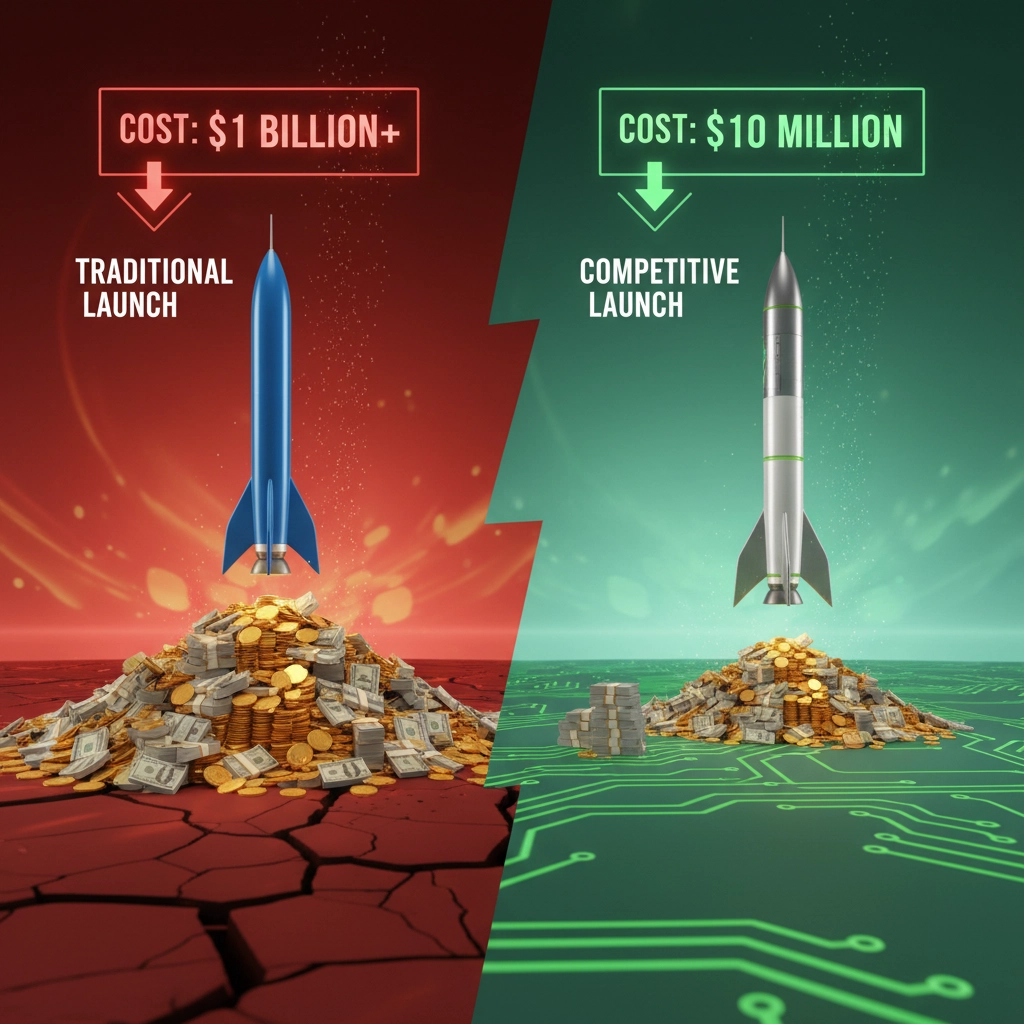
Reason #5: Launch costs are about to plummet. When you've got two companies that can reuse their rockets competing for the same contracts, prices drop fast. Industry experts predict launch costs could fall by 60-80% over the next three years as Blue Origin and SpaceX undercut each other.
Here's what this means for regular people:
• Satellite internet becomes cheaper and more accessible worldwide
• Weather prediction gets dramatically more accurate with more satellites
• Space-based solar power projects become economically viable
• Private space tourism prices drop from "billionaire-only" to "really expensive vacation"
• Commercial space stations become profitable business ventures
Reason #6: It's not just about rockets anymore. Blue Origin's success validates their entire business model. They're not just a rocket company: they're building space habitats, moon landers, and orbital manufacturing facilities. This Mars mission proves they can execute complex projects, which means their bigger ambitions suddenly look realistic.
The ripple effects are already starting. Three other rocket companies announced new funding rounds within 48 hours of Blue Origin's successful landing. Investors are betting that if Blue Origin can compete with SpaceX, there's room for even more players in this market.
What This Means for Your Future
Reason #7: The space economy just got real. We're not talking about some distant sci-fi future anymore. Blue Origin's success means we're entering the era where space isn't just government science projects: it's commercial reality.
Within the next decade, you'll probably interact with space-based services daily without even thinking about it. Your internet, GPS, weather apps, and even some manufacturing could all depend on the infrastructure that missions like this are building.

The Mars mission also proves something crucial about timeline acceleration. What used to take governments 20 years to accomplish, private companies are now doing in 2-3 years. Blue Origin went from "that company Jeff Bezos owns" to "legitimate SpaceX competitor" faster than anyone predicted.
Think about it this way: five years ago, if someone told you that by 2025, two different companies would be routinely landing rockets on floating platforms in the ocean while launching Mars missions, you'd have laughed. Today, it's Tuesday.
The most fascinating part isn't even the technology: it's the mindset shift. A generation of engineers and entrepreneurs now sees space as accessible, profitable, and inevitable. That's the real revolution Blue Origin just accelerated.
This successful Mars mission doesn't just prove Blue Origin can build rockets. It proves they can deliver on promises, execute complex missions, and compete at the highest level of space exploration. For an industry built on reliability and precision, that's everything.
The question isn't whether Blue Origin will continue competing with SpaceX: it's how many more companies will follow their lead and turn space into the next great economic frontier.
What do you think happens when space launches become as routine as airline flights?