
Ever wonder what happens when the guy who built Amazon decides to play with AI? Well, Jeff Bezos just answered that question with a $6.2 billion exclamation point.
While everyone's been obsessing over ChatGPT and Google's Bard, Bezos has been quietly cooking up something called Project Prometheus. And honestly? The name alone should tell you this isn't your average AI startup.
What Is Project Prometheus Really?
Here's what most people don't realize: Project Prometheus isn't trying to build another chatbot. Instead, Bezos is going after something way more practical – and potentially more profitable.
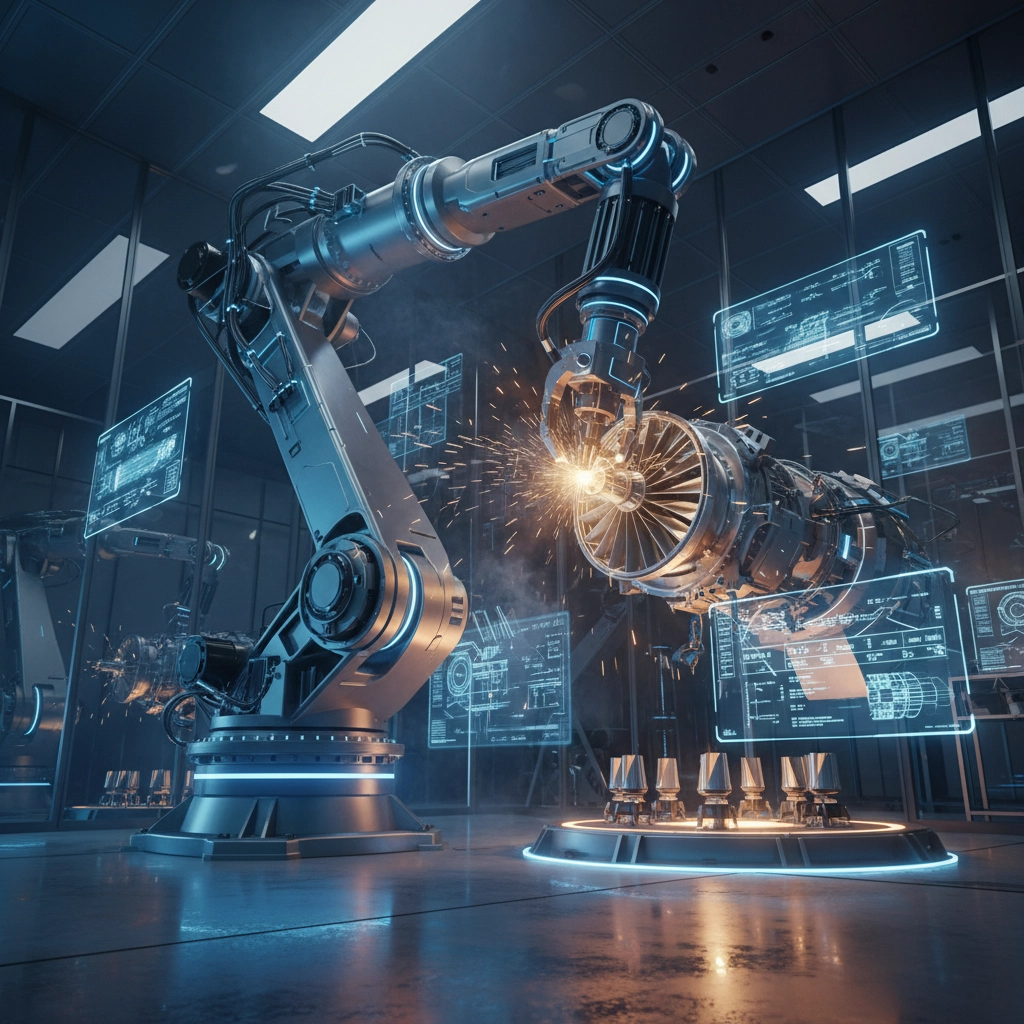
This AI startup is laser-focused on engineering and manufacturing. Think less "Hey Siri" and more "Hey robot, build me a rocket." The company's entire mission revolves around using artificial intelligence to revolutionize how we make stuff, especially the really complex stuff that goes to space.
Bezos isn't just throwing money at this either. He's actually taken on the co-CEO role, which is huge. This marks his first operational leadership position since stepping down from Amazon in 2021. When someone worth $170 billion decides to get back in the trenches, you know something big is happening.
The timing makes perfect sense too. While other AI companies are racing to create the smartest chatbot, Bezos is betting on AI that can actually build things in the real world. And given his track record with Amazon and Blue Origin, that's not a bad bet to make.
The $6.2 Billion Question
Let's talk about that massive funding round. $6.2 billion isn't pocket change – even for Jeff Bezos. To put that in perspective, that's more than most countries spend on their entire space programs.
But here's what's really interesting about the money:
- Bezos himself is a major contributor to the funding
- The company raised this amount before most people even knew it existed
- They're not burning through cash on flashy marketing campaigns
- Every dollar seems focused on actual engineering and development
The funding strategy tells us something important: this isn't a "fake it till you make it" startup. They're building real technology for real problems, and they've got the runway to do it properly.

Most AI startups blow through hundreds of millions just trying to keep their servers running. Project Prometheus is taking a different approach. They're using that massive war chest to hire the best engineers, build actual manufacturing facilities, and develop AI systems that can work in harsh, real-world conditions.
Why Manufacturing and Space Matter
Here's where things get really interesting. While everyone else is focused on making AI that can write better emails, Bezos is building AI that can manufacture rocket parts.
This isn't as random as it sounds. Manufacturing is one of those areas where AI can make a massive difference, but it's also incredibly difficult to get right. You can't just train a model on text from the internet and hope it knows how to build a rocket engine.
The connection to Blue Origin is obvious. Bezos has been pouring money into his space company for years, but manufacturing has always been one of the biggest bottlenecks. Rockets are incredibly complex, require perfect precision, and traditional manufacturing methods are slow and expensive.

But imagine if AI could optimize the entire manufacturing process. We're talking about:
- Predicting material failures before they happen
- Optimizing production schedules in real-time
- Designing components that are lighter, stronger, and cheaper
- Automating quality control with superhuman precision
I remember reading about a small manufacturing company that implemented basic AI for quality control. They went from catching 85% of defects to catching 99.7%. Now imagine that level of improvement applied to rocket manufacturing.
The potential applications go way beyond space too. Every industry that makes physical products – from cars to smartphones to medical devices – could benefit from this technology.
What This Means for the Future
Project Prometheus represents a fundamental shift in how we think about AI. Instead of building technology that replaces human creativity, Bezos is building technology that amplifies human engineering.
This approach could be huge for several reasons. First, it solves real problems that cost real money. Manufacturing inefficiencies waste billions of dollars every year. If Project Prometheus can capture even a small percentage of those savings, the company could be worth hundreds of billions.
Second, it positions Bezos perfectly for the next phase of the space economy. As space tourism grows and we start talking seriously about Mars colonies, manufacturing in space becomes critical. The company that figures out how to build things efficiently in zero gravity will have a massive advantage.

But perhaps most importantly, Project Prometheus could democratize advanced manufacturing. Right now, only massive corporations can afford the engineering talent needed to optimize complex manufacturing processes. If AI can automate that expertise, smaller companies could compete on a level playing field.
The ripple effects could be massive. We might see a renaissance in American manufacturing, faster development of new products, and dramatic reductions in the cost of everything from cars to medical devices.
Of course, there are risks too. Manufacturing AI needs to be incredibly reliable. A chatbot that makes a mistake might give you a weird response. A manufacturing AI that makes a mistake could cause a rocket to explode.
But knowing Bezos, he's probably already thought of that. The guy didn't build Amazon by cutting corners on reliability.
What do you think – is Bezos betting on the right kind of AI, or should he be focusing on the flashier consumer applications like everyone else?