Did you know that over half of all fake content online isn't just manipulated anymore, it's completely made up by AI? We're not talking about doctored photos or edited videos. We're talking about content created from scratch that never existed in the real world.
If that doesn't make you pause your next scroll through social media, it should.
The New Face of Fake Content
Here's what's happening behind the scenes. AI-generated hoaxes now make up a whopping 56.6% of all deceptive content across major countries like Brazil, Germany, and the UK. Deepfakes account for another 34.4%. That means nearly all fake content you see today has some AI fingerprints on it.
But here's the kicker, this stuff is almost impossible to trace back to its source. Remember when you could do a reverse image search to find where a suspicious photo came from? Those days are pretty much over. AI-generated content doesn't have a "patient zero" because it was never real to begin with.
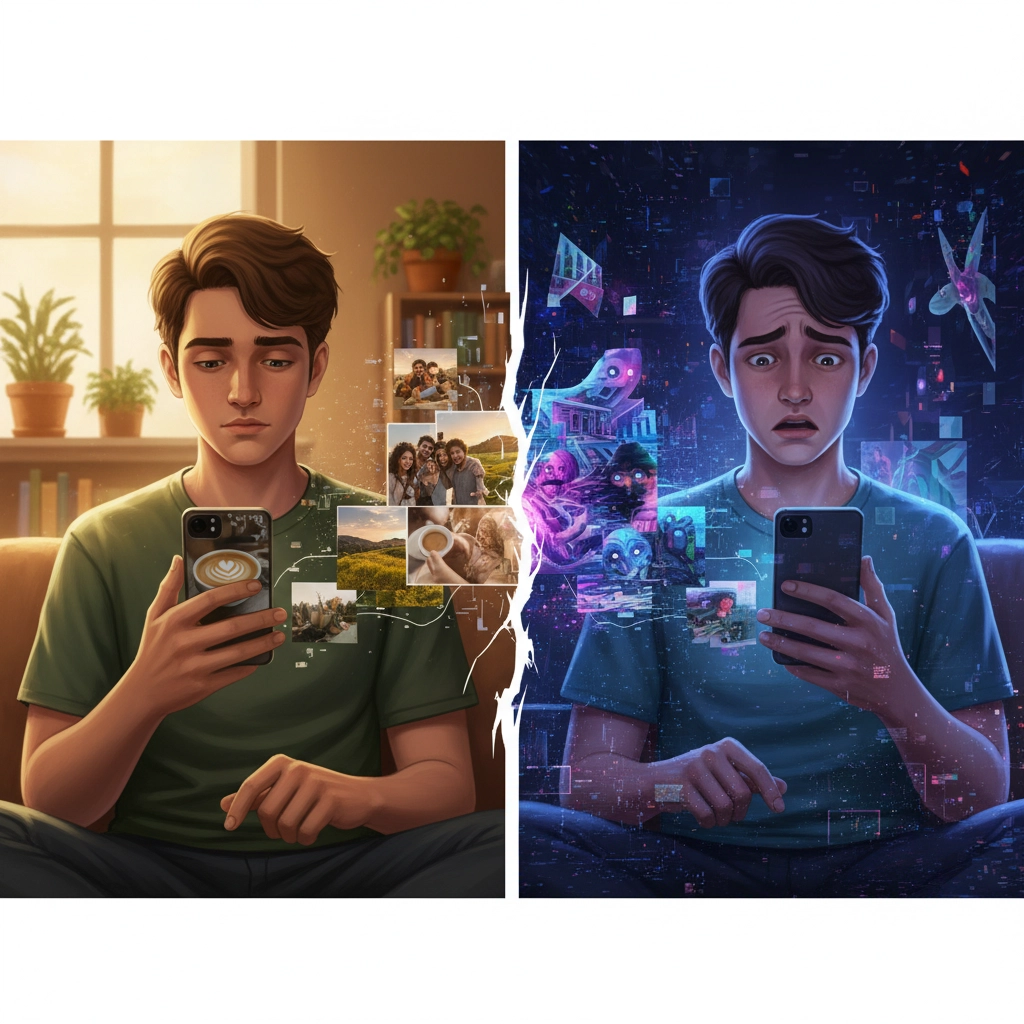
I learned this the hard way when my aunt shared what looked like a perfectly normal news photo on Facebook. It showed a dramatic weather event that never happened. When I tried to fact-check it, I hit a dead end. No original source, no similar images, nothing. That's when I realized we're dealing with something entirely different now.
Tools Making Deception Easy
The scary part? Creating fake content used to require serious technical skills. Not anymore. Tools like Midjourney have made it ridiculously simple. In fact, Midjourney powers about 19% of identifiable fake content cases, mostly because it's so user-friendly.
But here's what's really concerning, in over 70% of cases, experts can't even tell which AI tool created the fake content. That's either because creators are being sneaky about it, or the technology has gotten so good that it's nearly impossible to detect.
Large Language Models are also automating fake news creation. They can:
• Sift through massive amounts of information
• Generate believable stories and articles
• Create content that sounds authentic
• Produce material faster than humans can fact-check it
The latest video generators are now creating Hollywood-quality clips in minutes. We're talking about instant, professional-looking footage that can show literally anything the creator wants.
When Fakes Fool Millions
Some AI-generated hoaxes have become legendary for all the wrong reasons. Take the Pope Francis deepfake that went viral in March 2023. Millions of people saw and shared an image of the Pope wearing a stylish white Balenciaga puffer jacket. It looked so real that news outlets had to scramble to debunk it.
The Pope himself later talked about this incident, saying it contributed to a "crisis of truth" in society. That's when you know we've hit a turning point.
Politicians aren't safe either. A fake audio clip of UK Labour Party leader Keir Starmer supposedly abusing staff made waves in October 2023. Security officials publicly stated that "deepfakes threaten our freedom." When government officials start making statements like that, you know the problem has gone mainstream.
Even celebrities like Paris Hilton have been caught up in deepfake controversies. In 2024, viral content showed her endorsing luxury brands she'd never actually promoted, leading to legal battles over digital rights and consent.
The wars in Gaza and Ukraine have become testing grounds for AI-generated propaganda. Unlike older misinformation tactics that at least used real images from different contexts, we're now seeing completely fabricated war footage created "out of thin air."
Why This Matters to You
You might be thinking, "Okay, but most of what I see online is still from legitimate sources, right?" That's partially true. Most people do still get their news from mainstream outlets. But the problem isn't just about volume: it's about impact.
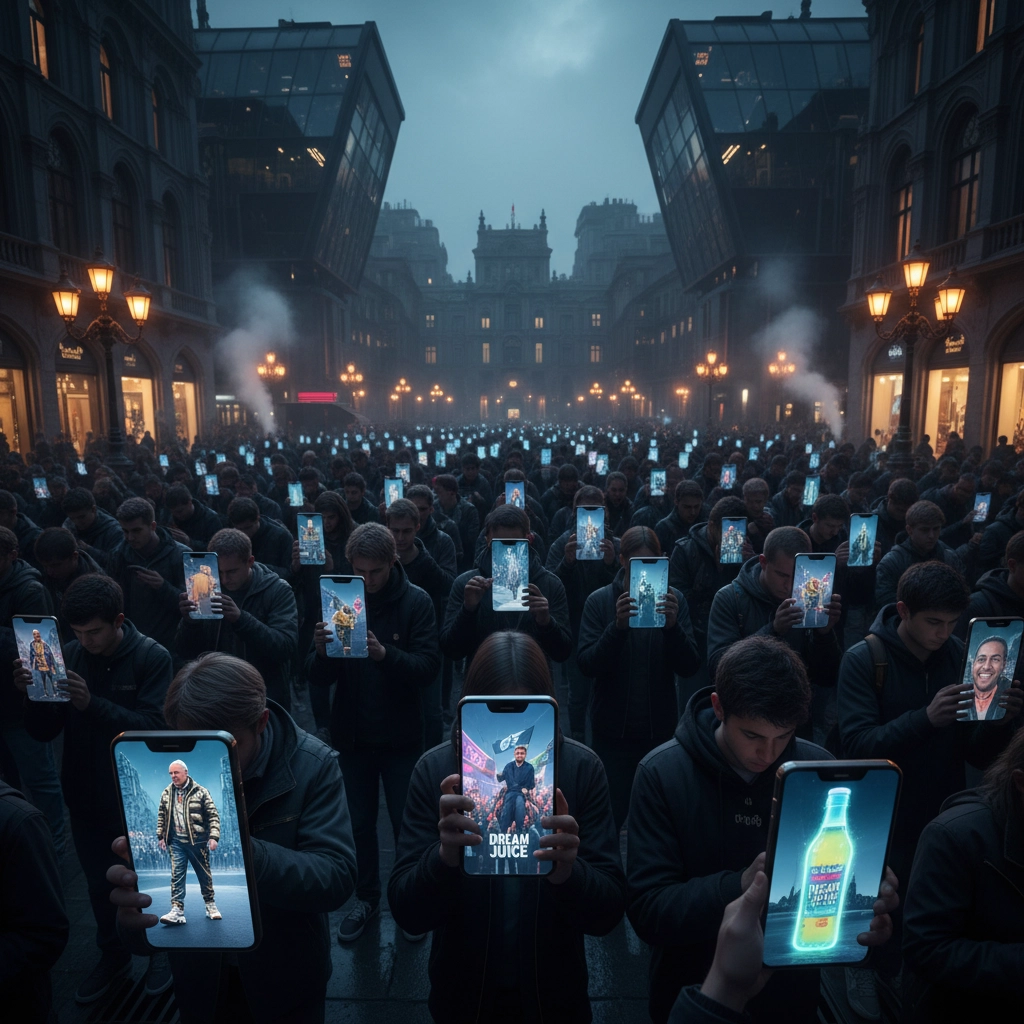
When fake content does go viral, it can have real consequences before anyone realizes it's fake. The speed at which AI can create content, combined with how real it looks, means false narratives can shape public opinion before fact-checkers even know they exist.
Think about it this way: traditional fact-checking worked because there was always a trail. A real photo, a real video, a real source document. Now we're dealing with content that has no trail because it was never real to begin with.
This creates an unfair advantage for bad actors. They can create sophisticated fake content with minimal technical knowledge, while the rest of us struggle to tell what's real. It's like bringing a knife to a gunfight, except the fight is for truth itself.
The democratization of deception technology means anyone with basic computer skills can now create content that would have required a professional studio just a few years ago. Meanwhile, detection methods are struggling to keep up.
What's really at stake here isn't just individual posts or stories. It's our ability to have shared facts as a foundation for society. When synthetic content becomes indistinguishable from authentic material, how do we maintain trust in anything we see online?
The global nature of this problem makes it even more complex. Different countries have different technological infrastructures and regulatory approaches, but AI-generated misinformation doesn't respect borders. A fake story created in one country can go viral worldwide in hours.
As we navigate this new landscape, we're all becoming unwitting participants in a massive experiment about truth, trust, and technology. The tools that can create sophisticated fakes are the same ones that could help journalists and content creators do better work. It's a double-edged sword that's reshaping how we consume and create information.
So here's the million-dollar question: In a world where AI can create any content imaginable, how do we decide what to believe?